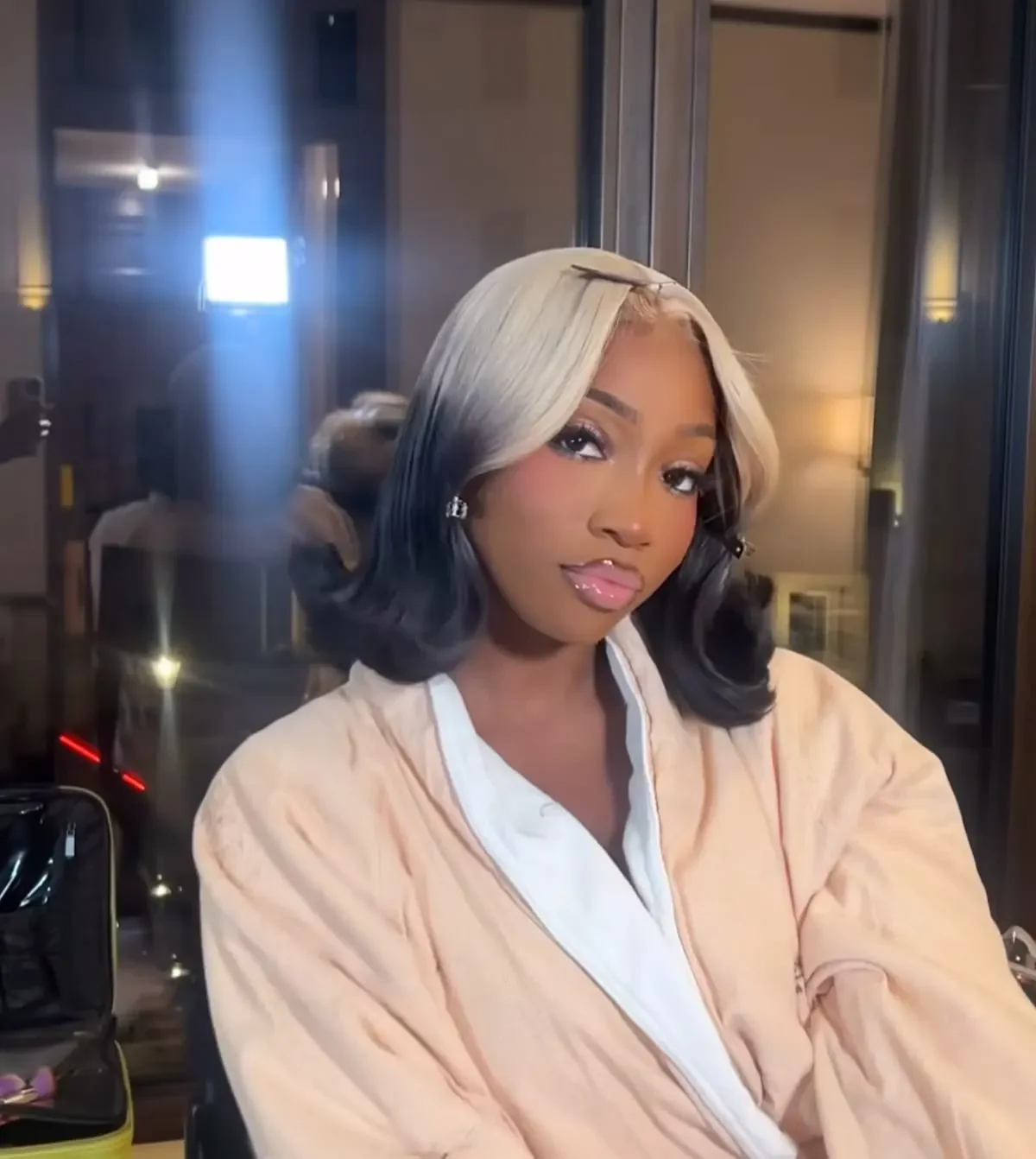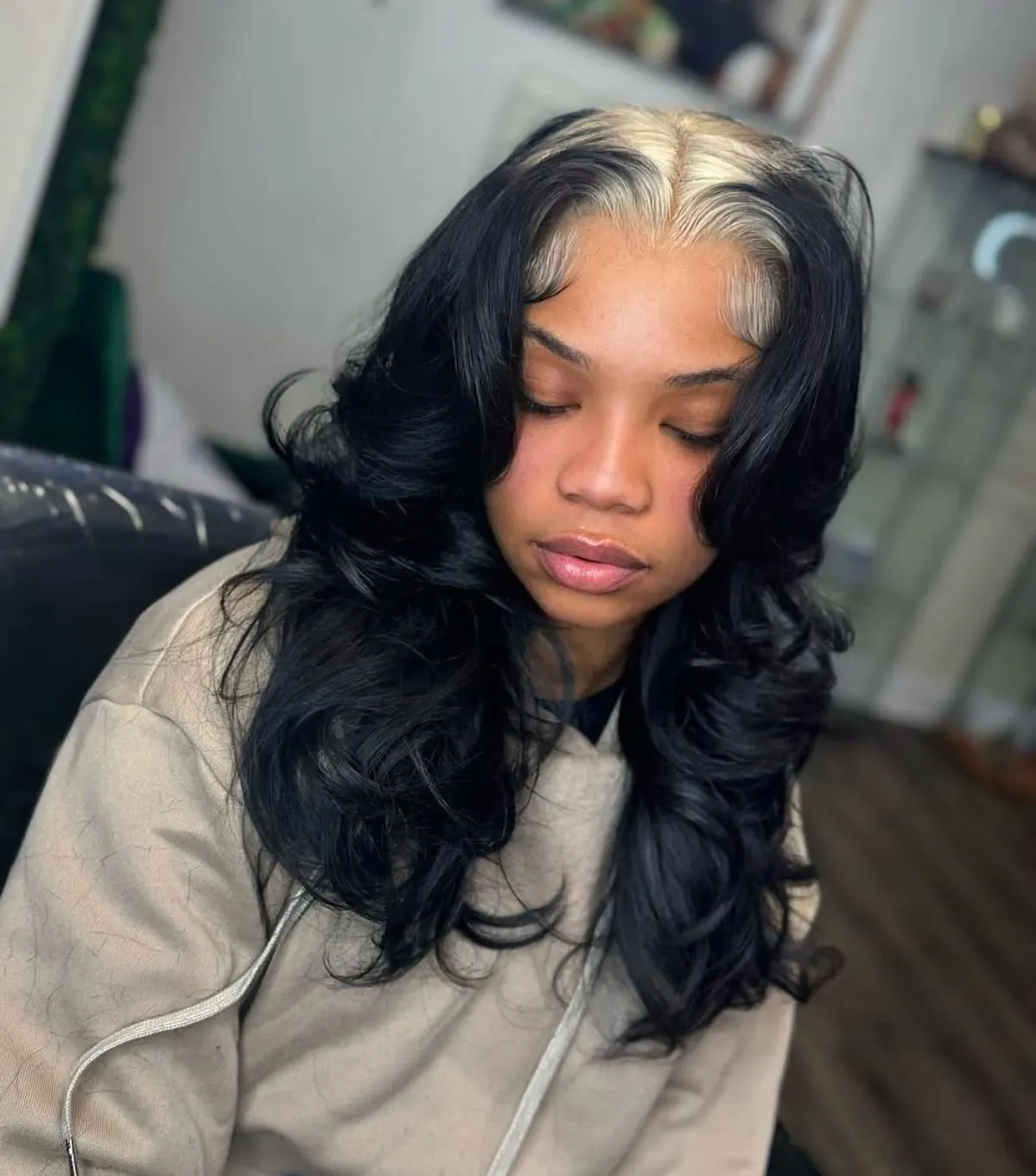
Blonde ghost roots work because they brighten the part line, crown, bangs, or money-piece area without turning the whole head blonde. The darker base keeps depth in the haircut, while the blonde placement adds lift where people notice it first.
The right version depends on your base color, haircut, and how much maintenance you can handle. Platinum and silver blonde look sharper on black hair. Honey, beige, and taupe blonde usually feel softer on brown hair.
Use the visual gallery first, then use the guide below to decide which blonde shade and placement makes sense.
Visual Ideas
Compare Blonde Root Contrast by Tone And Placement
These blonde ghost roots examples cover platinum, honey, beige, taupe, silver blonde, bobs, waves, updos, and softer face-framing placements.
Platinum Crown Roots Over Honey-Brown Waves
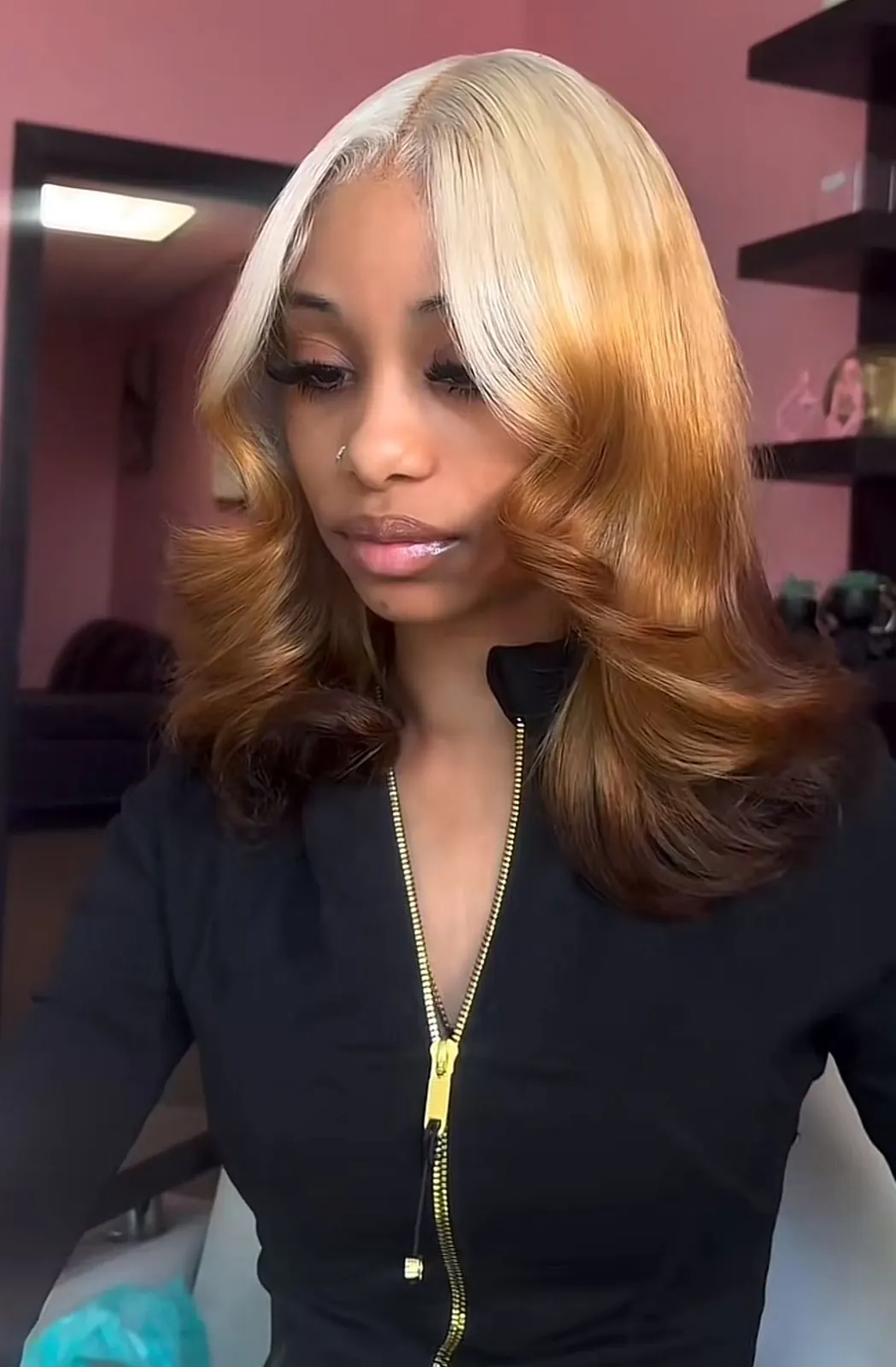
Platinum-blonde roots widen across the center crown before meeting warm honey-brown blowout waves.
The pale root panel is cooler and lighter than the surrounding honey-brown lengths, so the contrast remains visible even though the base is warmer than black.
The center placement makes platinum the focal point while the warm waves soften its lower boundary and keep depth around the face.
Warm brunette lengths, center-part blowouts, and anyone comparing a bright crown panel with a softer honey-blonde blend.
Tone the platinum section without pulling purple shampoo through the warm honey-brown lengths, which are meant to retain their warmth.
Soft Beige Face Frame
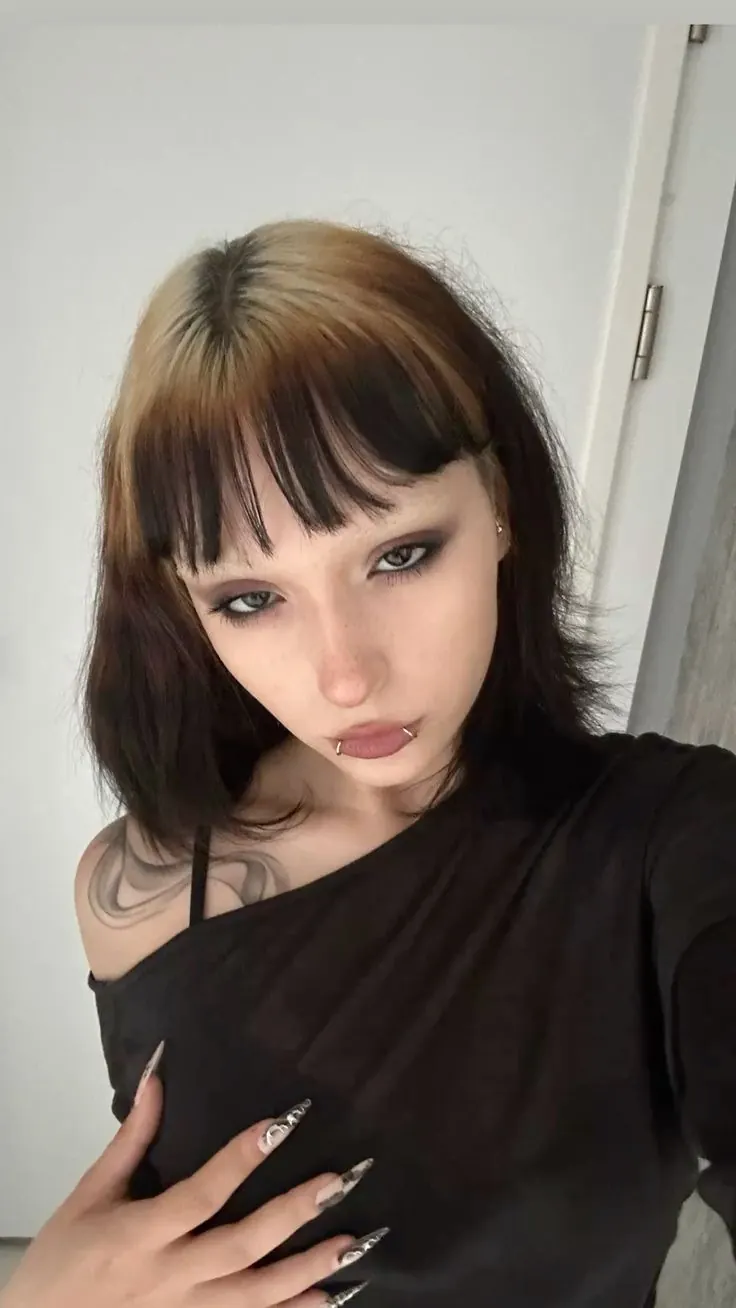
A low-drama beige blonde option for people who want the shape of ghost roots without a hard color line.
Medium brown straight hair with soft beige blonde ghost roots through the face-framing bang area.
Beige blonde gives brightness while keeping the color story natural and wearable.
Brown hair, face-framing bangs, heart-shaped faces, and subtle blonde root contrast.
Use beige toner support so the shade does not shift orange or too ashy.
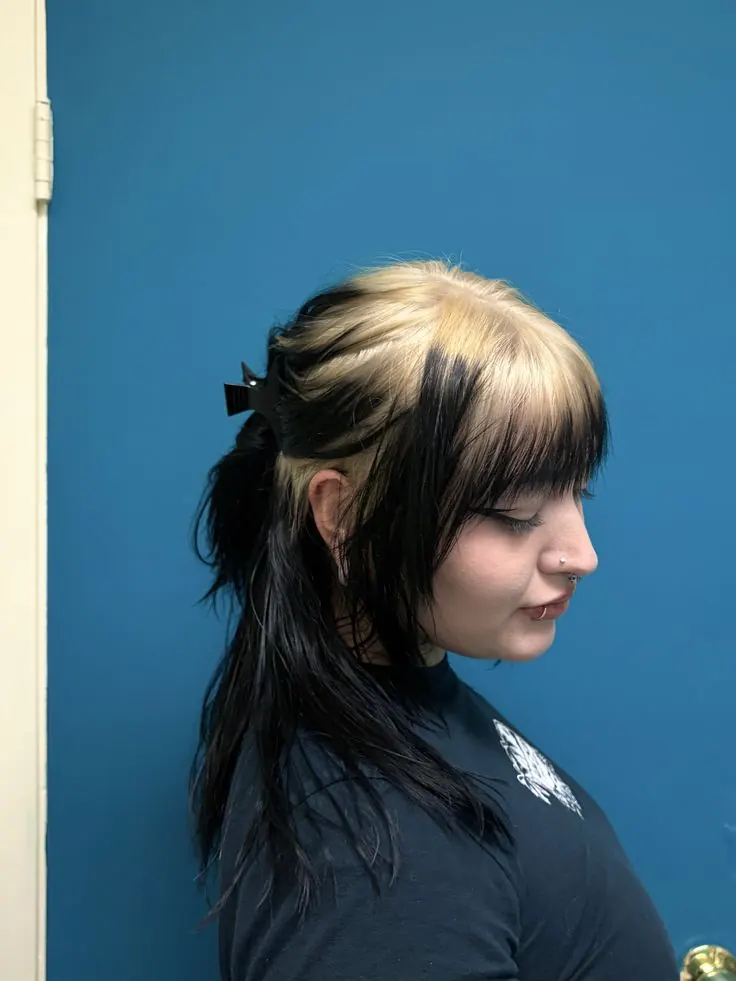
Taupe Blonde Updo Roots
A muted blonde option that shows nicely when the hair is pinned up or pulled back.
Medium dark hair with taupe blonde ghost roots visible through a half-up style.
Taupe blonde gives root contrast without the brightness of platinum or white.
Half-up styles, muted color palettes, dark hair, and softer salon requests.
Keep the tone balanced; taupe can look muddy if it gets too dull.
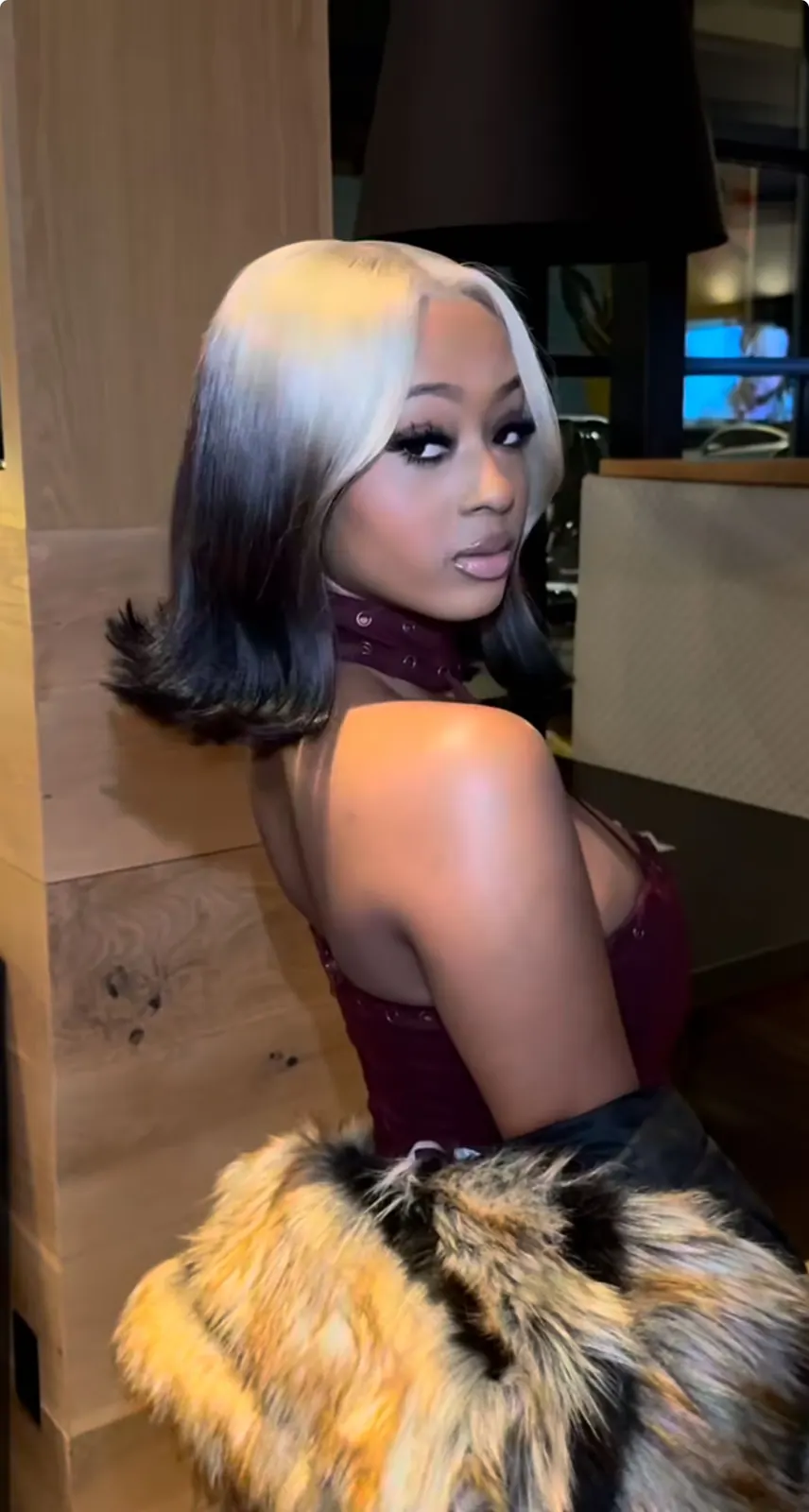
Platinum Underlayer Waves
A bright blonde placement that peeks through the front and underlayer instead of covering the whole crown.
Long black body waves with platinum blonde ghost roots through the front underlayer.
The underlayer placement gives blonde impact while keeping most of the hair dark.
Long waves, darker bases, underlayer color, and lower-commitment platinum contrast.
The underlayer still needs toner, especially where it brushes against clothing and heat styling.
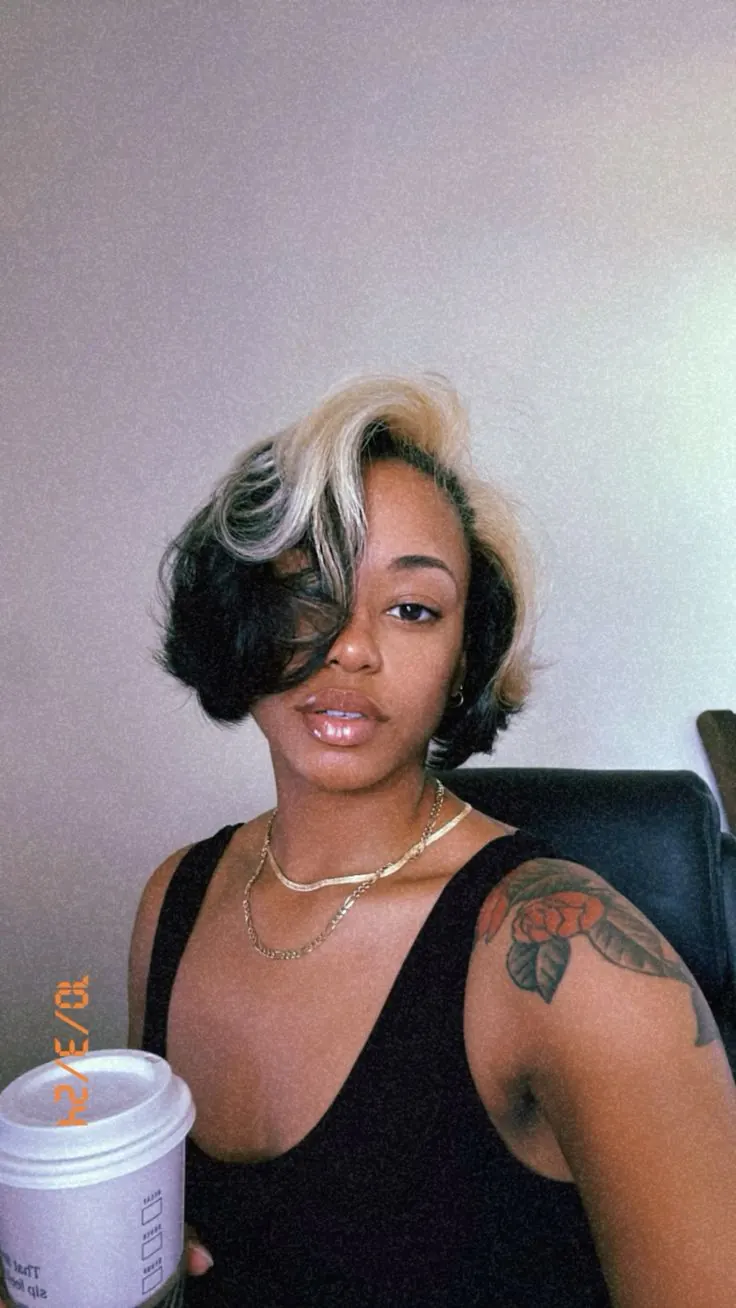
Platinum Blonde Bob Roots
A short bob direction where the blonde becomes a precise design feature.
Short black sleek bob with asymmetrical platinum blonde ghost roots and face-framing contrast.
The bob shape keeps the blonde placement compact, sharp, and easy to see.
Short bobs, sleek styling, asymmetrical face frames, and graphic blonde contrast.
Trim and tone together because short platinum bobs show uneven grow-out fast.
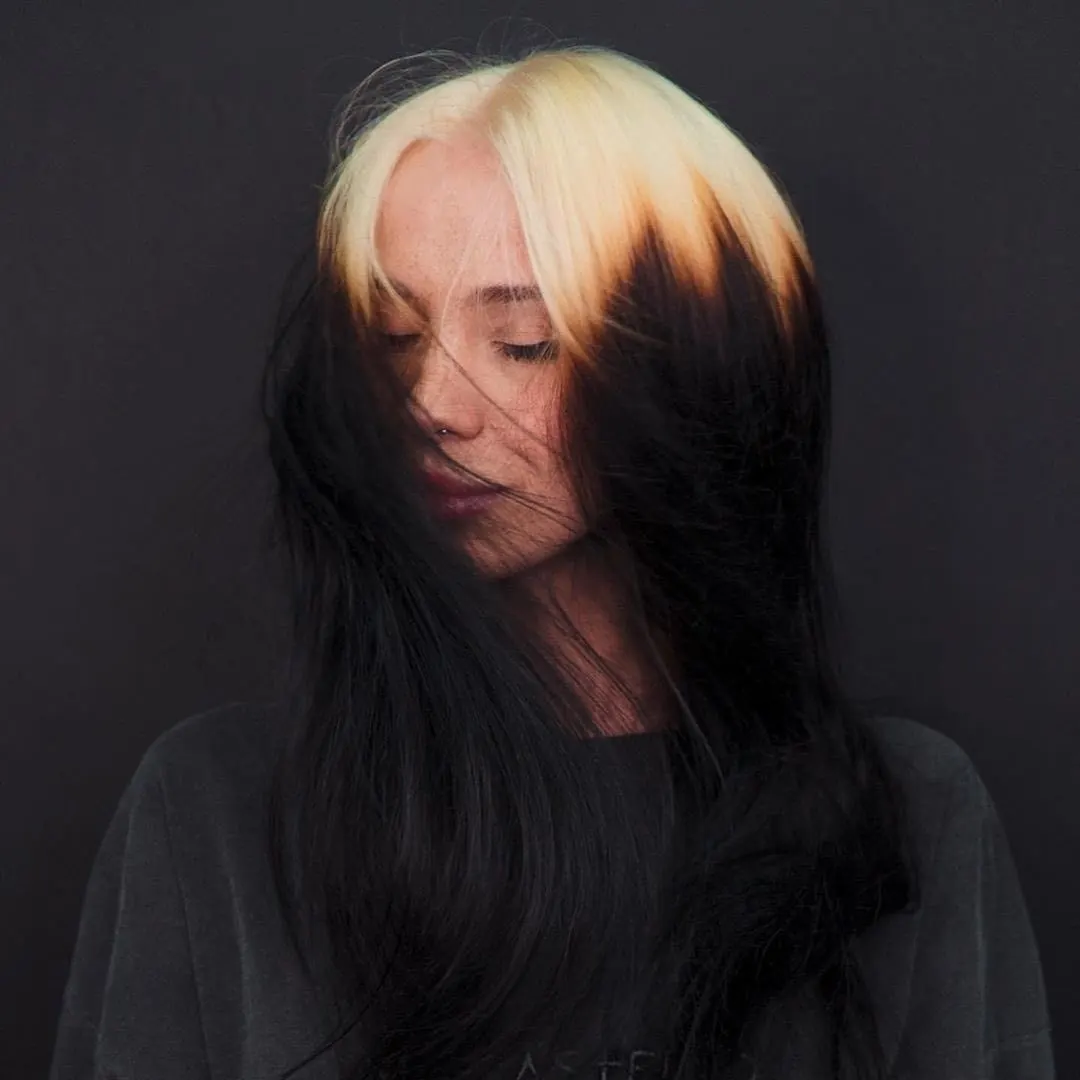
Bold Blonde Straight Roots
A stronger blonde direction for people who want the root contrast to read immediately.
Long sleek black hair with bold blonde ghost roots near the front and crown.
Straight hair makes the blonde placement obvious, which is useful for a statement look.
Long straight hair, high contrast, bold blonde panels, and graphic styling.
Keep the part clean and tone the blonde before it turns brassy.
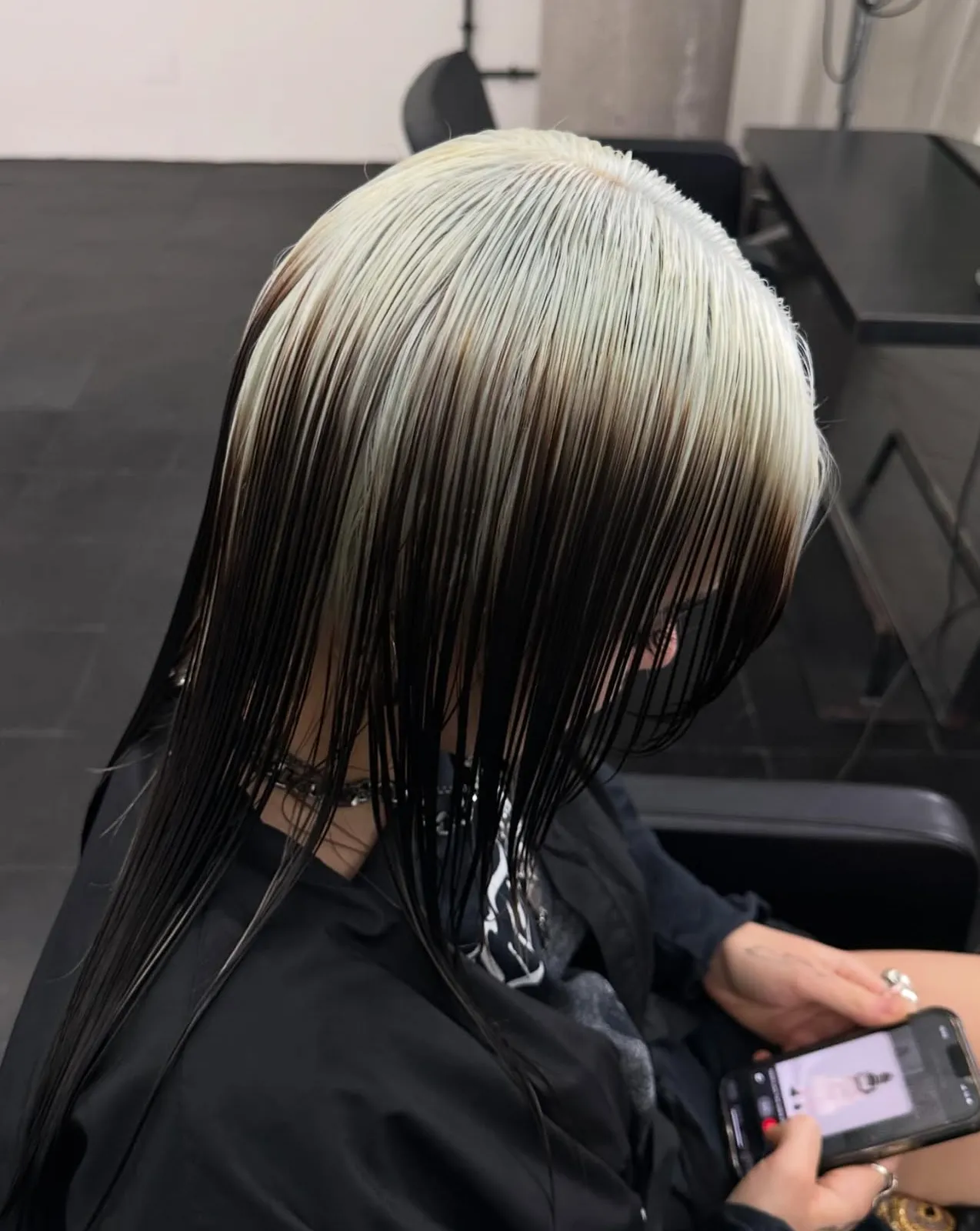
Blonde Root-Melt Panel
A blended top-panel option for people who want blonde visible from above and behind.
Medium dark wet-straight hair with platinum blonde root-melt placement through the top.
The root melt softens the blonde edge while keeping the color focused near the scalp.
Top panels, back-view color, wet-straight styling, and softer platinum transitions.
Blend maintenance matters; a root melt can look patchy if toner fades unevenly.

Soft Taupe Grown-Out Roots
A softer grown-out blonde direction for people who want ghost roots to feel lived-in.
Medium brown soft waves with taupe blonde grown-out money-piece roots.
The taupe tone keeps the grown-out placement softer and more realistic.
Soft waves, brunettes, lower contrast, and lived-in blonde maintenance.
Refresh gloss more often than bleach; the goal is polished softness, not icy brightness.
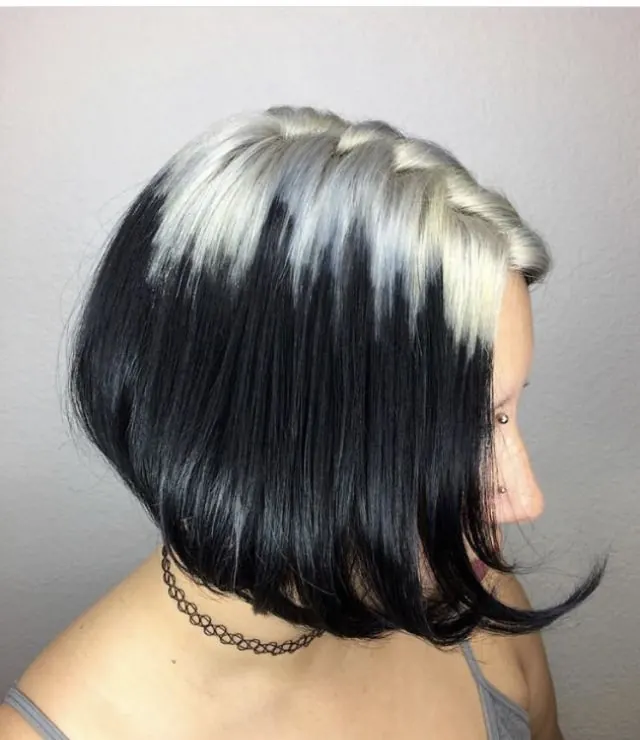
Platinum Side-Profile Bob
A side-profile bob reference where the blonde root accent shows without taking over the full cut.
Short black sleek bob with platinum blonde ghost roots visible through the side profile.
The blonde accent is small but high impact because the bob keeps it close to the face.
Short bobs, side profiles, minimal blonde panels, and clean salon styling.
Small platinum sections still need toner and heat protection to stay clean.
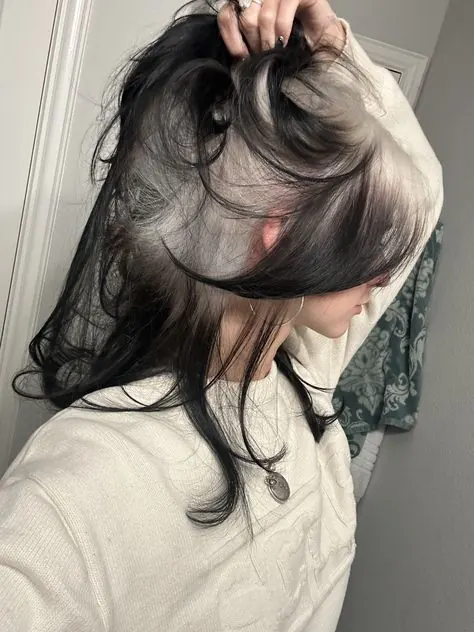
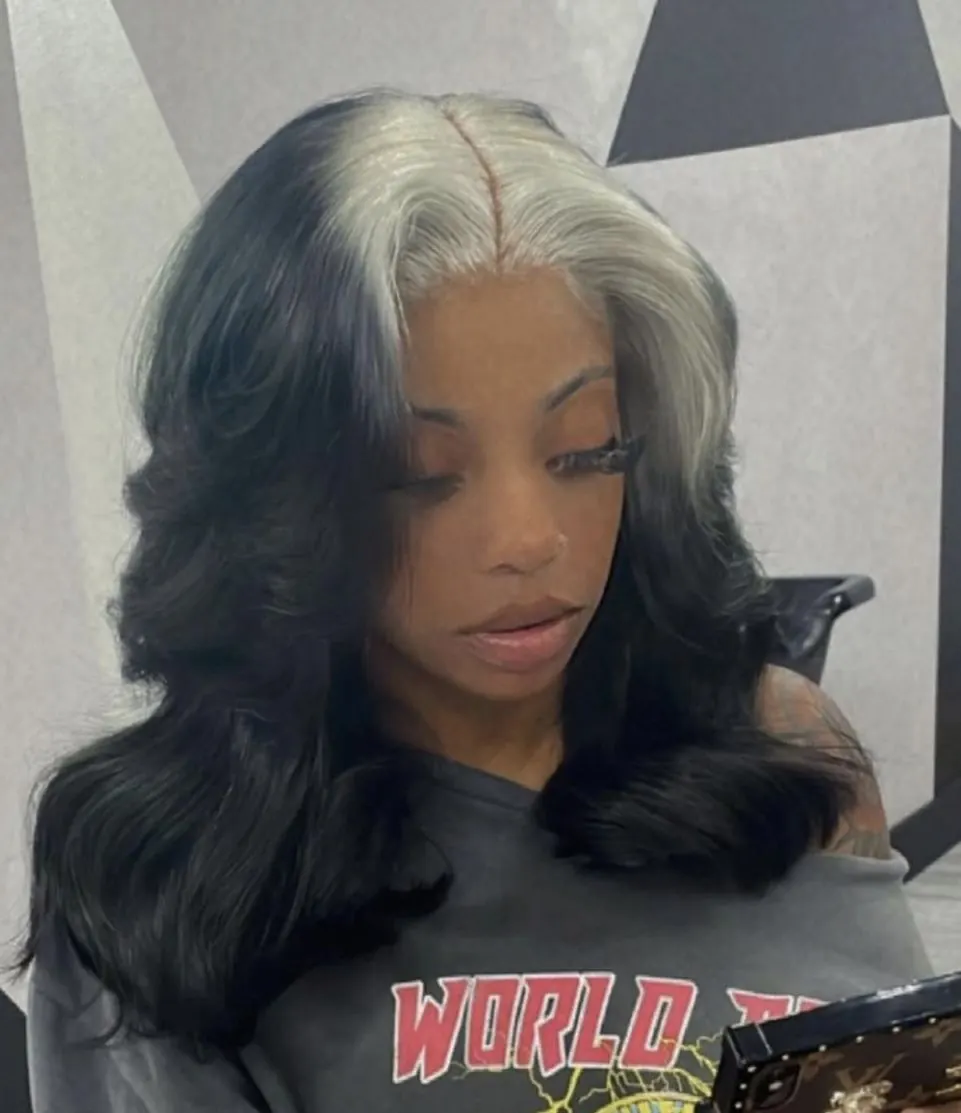
Silver Blonde Money Piece
A cool blonde money-piece look that bridges blonde ghost roots and silver ghost roots.
Medium black body waves with silver blonde ghost roots through the front panels.
The cool blonde frame brightens the face without needing full-head blonde.
Medium waves, cool-toned blonde, black hair, and face-framing placement.
Use silver toner support and bond care so the cool blonde stays bright.
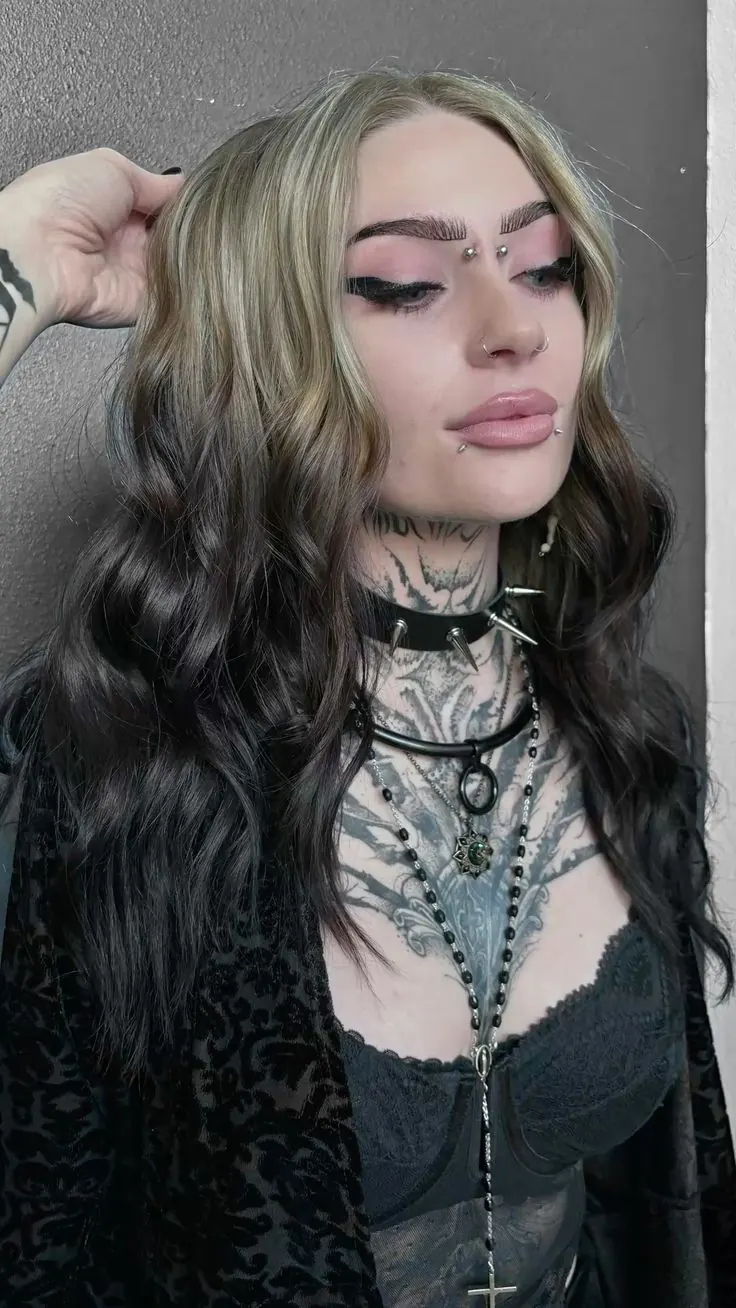
Ash Blonde Body Wave
A pale ash money piece follows the center part and widens beside the face, while the black waves stay untouched underneath. Use this reference when you want blonde contrast concentrated at the front rather than a fully lightened crown.
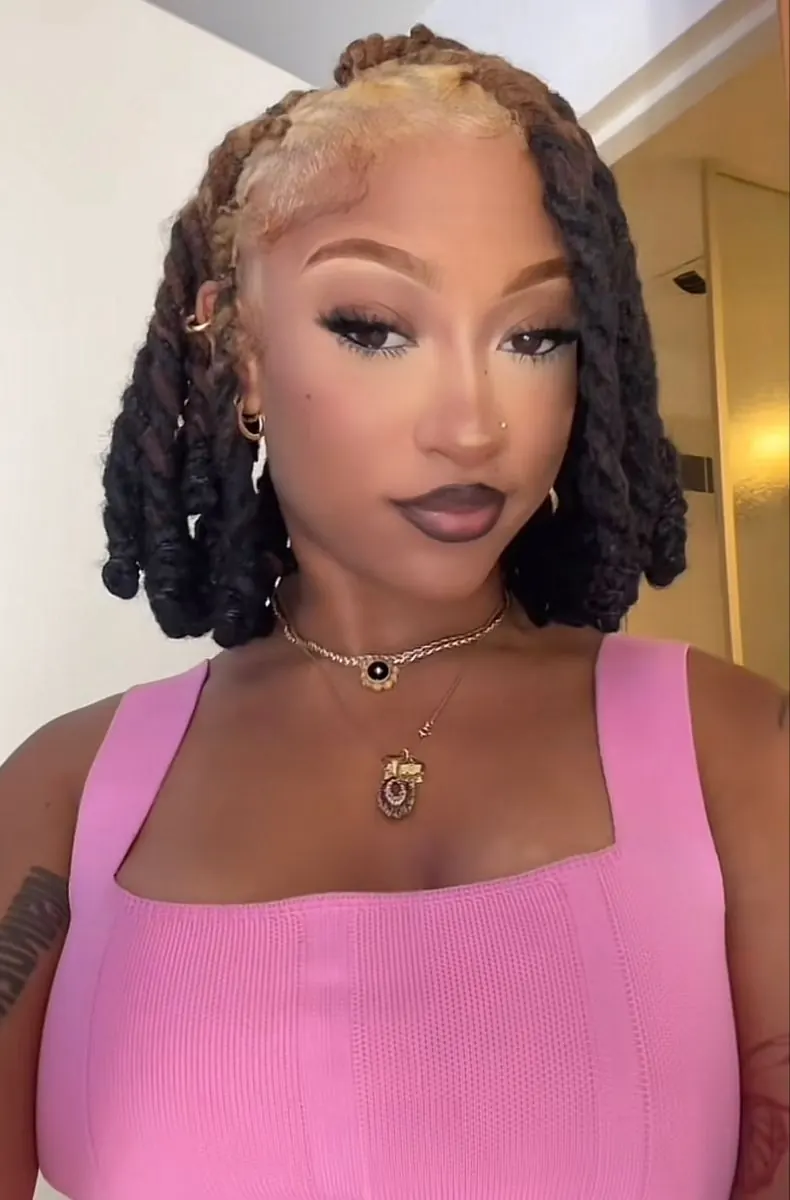
Honey Blonde Soft Locs
Honey-blonde color is worked into the front locs, leaving the remaining bob dark and clearly separated. The warm tone is useful for anyone comparing a softer golden result with colder platinum root accents.
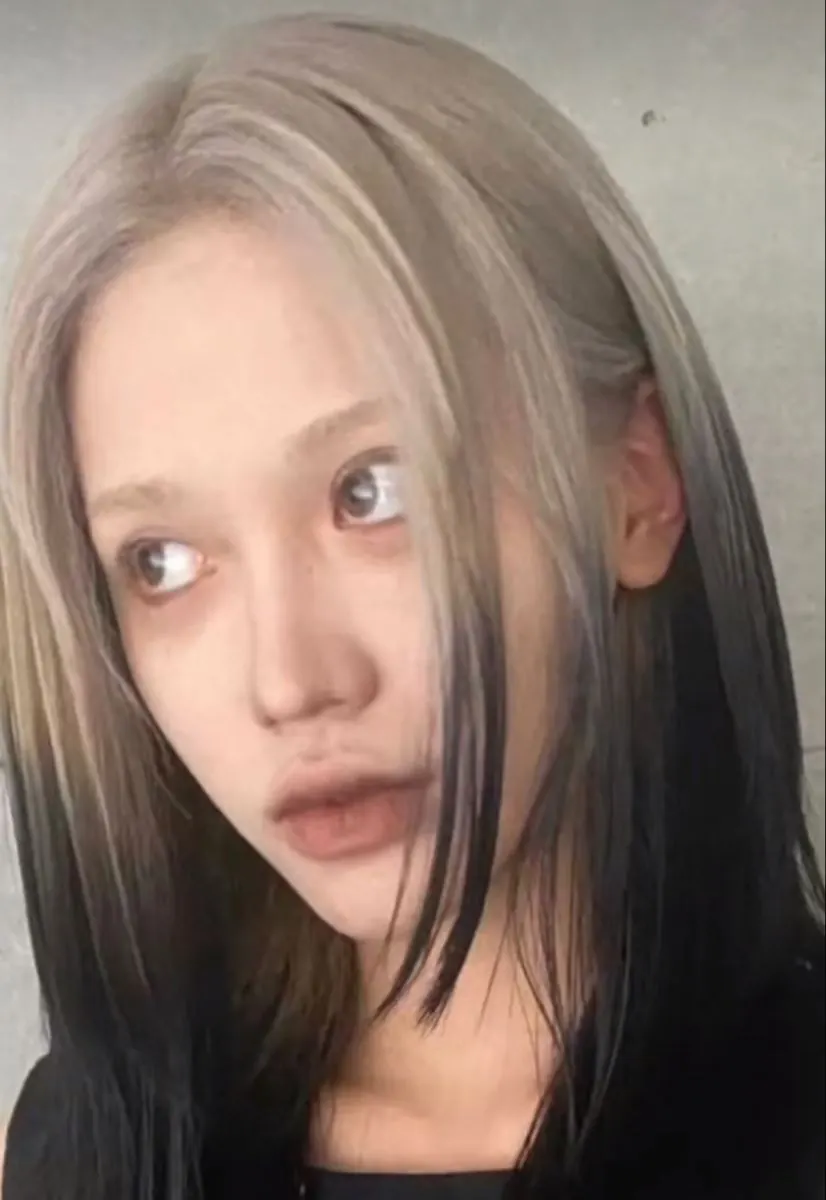
Mushroom Blonde Straight Layered
The mushroom-blonde section is narrow at the part and falls into two slim face-framing ribbons. Because the brown and blonde sit close in value, the result reads blended and understated rather than striped.

Ash Blonde Braided Ponytail
Two ash-blonde pieces remain visible after the hair is pulled into a braided ponytail. This placement is practical for updos because the light color frames the face without requiring blonde through the tied-back lengths.
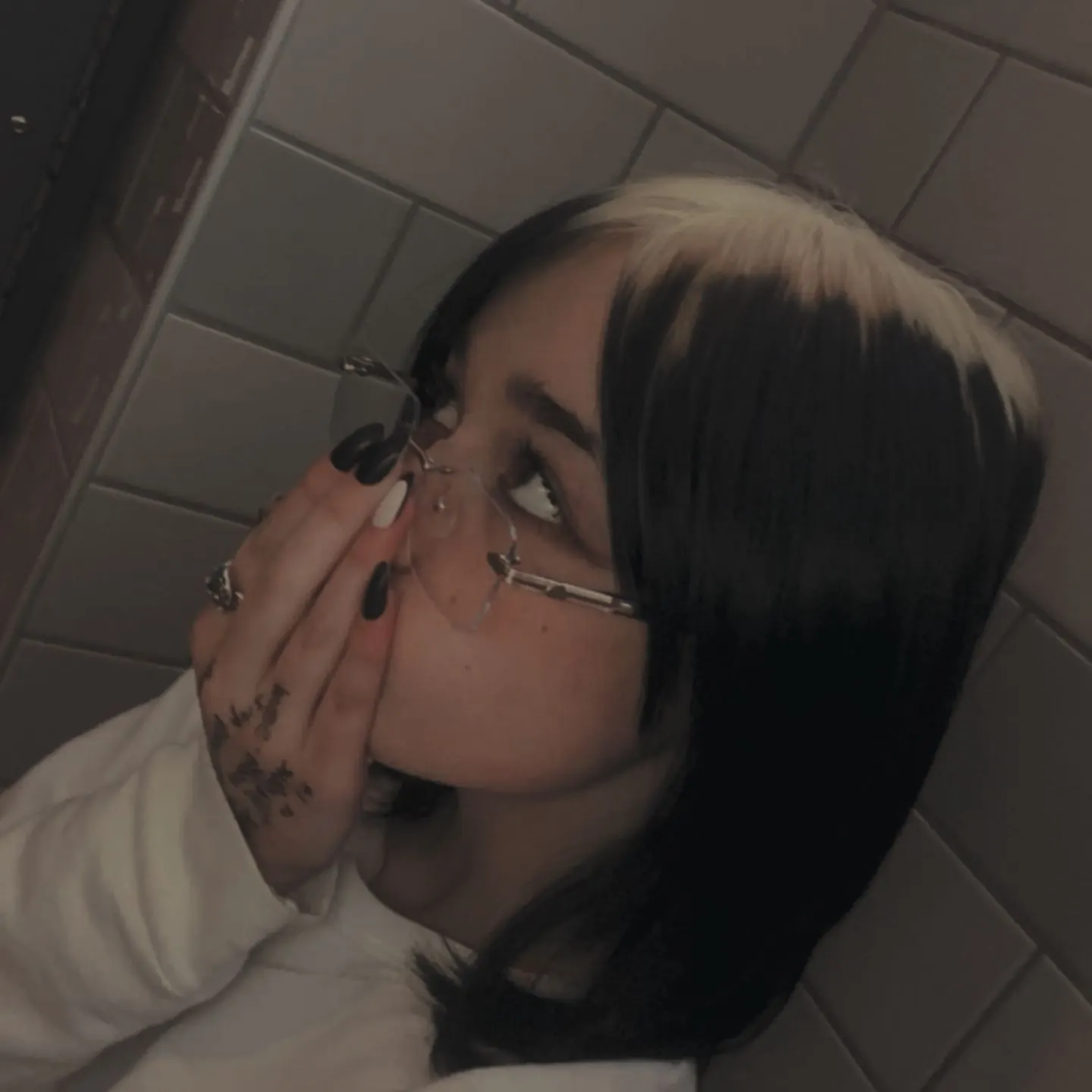
Taupe Blonde Sleek Bob
A taupe-blonde underlayer appears beneath the dark bob when the ends turn outward. The concealed section gives a quieter blonde option: mostly brunette at rest, with pale color revealed by movement.
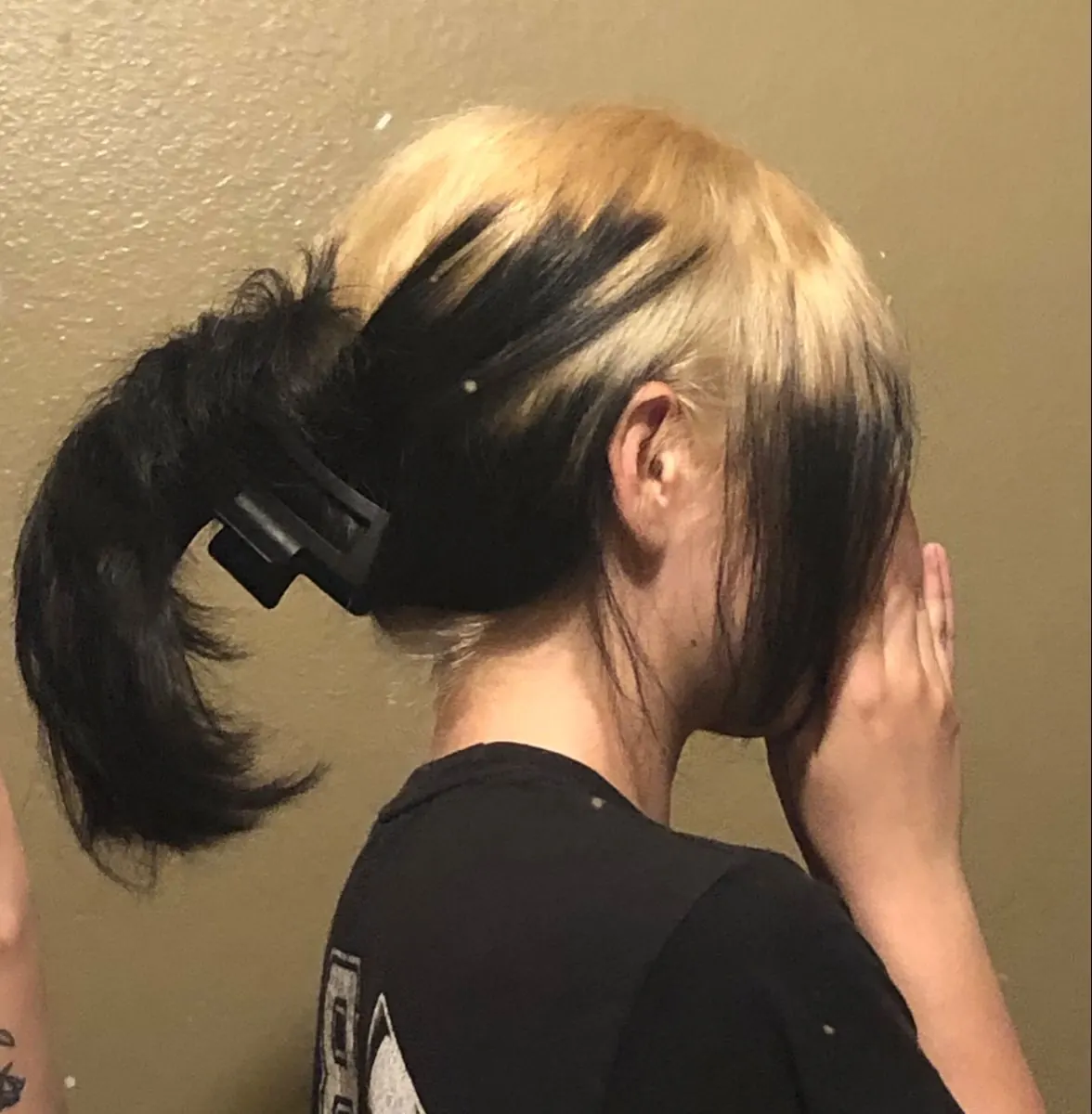
Dark Blonde Straight Layered
The dark-blonde face frame begins away from the scalp, allowing a natural brown root to remain visible around the part. That spacing makes this a useful example of intentional grow-out rather than a freshly painted root panel.
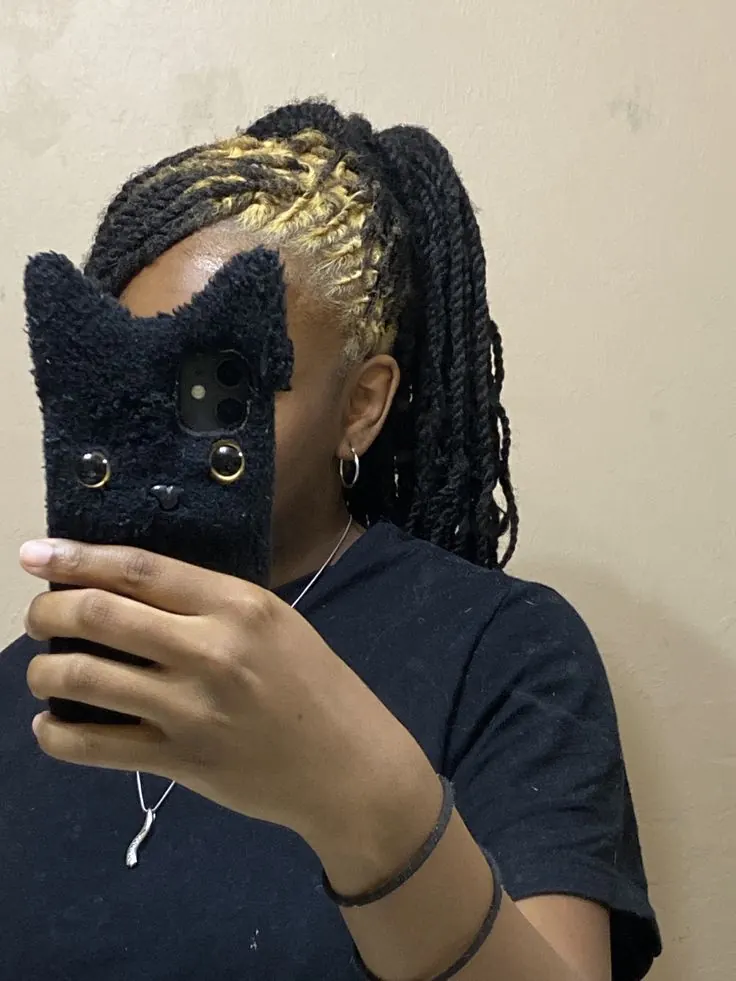
Gold Blonde Locs
Gold-blonde locs are concentrated along one shaved side, making the part rows and asymmetry part of the design. The placement shows that blonde ghost roots can follow loc sectioning instead of forming a conventional center stripe.

Platinum Blonde Soft Wave
Platinum is hidden through the upper pony section and flashes beside the temple against soft black waves. It offers high contrast without turning the whole hairline blonde, especially when the hair is worn down.
Blonde Changes The Amount of Light Around The Face
Blonde ghost roots brighten the upper part of the haircut without forcing the whole head into one light shade. That matters because all-over blonde can remove shadow, and shadow is what gives the hair shape in photos.
The best versions usually have one clear focal point. It might be a platinum middle part, a silver-white money piece, or soft honey panels through the front. When the placement is too scattered, the look becomes highlights instead of ghost roots.
Blonde ghost roots are especially useful if you want:
- Brightness around the face without full-head blonde.
- A visible root story that looks intentional.
- A way to test blonde before committing to more lightening.
- More lift in photos while keeping dark or brunette depth.
Platinum, Honey, Beige, And Taupe Produce Different Boundaries
Different blonde tones create very different results, even when the placement is similar.
- Platinum blonde: Strongest contrast on black or dark brown hair. It looks graphic, clean, and editorial.
- Silver blonde: Cooler and smokier than platinum. It works when you want icy brightness without pure white.
- Honey blonde: Warmer and easier to wear. It looks softer on brunette bases and blowout styles.
- Beige blonde: Neutral and polished. It is a good choice when you want blonde roots without a harsh yellow or icy finish.
- Taupe blonde: Muted and low-drama. It suits brunettes who want the shape of ghost roots more than a loud color statement.
If your hair is very dark or previously colored, ask whether platinum is realistic in one session. A softer beige, taupe, or honey blonde may be healthier and easier to maintain.
Place Brightness Where The Part And Face Frame Can Share it
The placement should match the haircut, not fight it.
- Money-piece roots: Best for face framing, selfies, body waves, and first-time blonde contrast.
- Center-part roots: Best for straight hair, long layers, and sharper editorial placement.
- Blonde fringe roots: Best for bobs, shags, curtain bangs, and wolf-cut shapes.
- Crown panels: Best for waves, curls, updos, and people who want the blonde to show through movement.
- Hidden underlayers: Best if you want blonde to appear when the hair is lifted or pushed forward.
- Short-bob panels: Best when you want the blonde placement to look precise and graphic.
Avoid scattering blonde through random small streaks unless you want highlights. Ghost roots should keep the root area, part line, crown, fringe, or face frame as the focus.
Choose The Tone From The Base, Skin Contrast, And Upkeep
Blonde ghost roots are strongest on medium, dark brown, and black hair because the contrast is visible immediately. They also suit people who like face-framing color but do not want the maintenance of full-head blonde.
- Best for black hair: Platinum, silver blonde, and bold blonde panels.
- Best for brown hair: Honey, beige, taupe, and softer grown-out money pieces.
- Best for bobs: Compact platinum or beige panels that follow the cut.
- Best for long hair: Money pieces, center parts, and underlayer blonde placement.
- Best for waves: Softer blonde panels that catch light through movement.
- Best for curls: Crown or top-layer placement so the blonde does not disappear inside the curl pattern.
If you want a sharper black-and-white result, compare this page with white ghost roots. If you want smoky cool tones, see silver ghost roots.
Ask For a Specific Blonde And a Measured Root Section
Use shade and placement language together. “Blonde ghost roots” is a starting point, not enough detail by itself.
- “Platinum blonde money-piece roots on a dark base.”
- “Honey blonde face-framing roots on brunette waves.”
- “Beige blonde curtain-bang roots with dark lengths left natural.”
- “Taupe blonde grown-out money piece with soft waves.”
- “Silver blonde front panels, not pure white.”
- “A short-bob blonde panel that stays compact around the face.”
Ask whether your hair can lift safely, how many appointments are realistic, and what toner or gloss will maintain the shade.
Toner Controls Tone; Bond Care Protects The Lightened Section
The blonde area will need the most care because lightened hair shows dryness, brassiness, and toner fade quickly.
- Use bond repair if the blonde was lifted heavily.
- Use purple shampoo only when the blonde looks yellow, not automatically every wash.
- Use heat protection before blow-drying, curling, or straightening.
- Use gloss for honey, beige, and taupe blondes so they stay polished.
- Refresh toner before platinum or silver blonde turns yellow.
- Keep the darker base glossy so the blonde placement looks intentional.
For product planning and toner support, read ghost roots hair dye. For a harder pale contrast, see white ghost roots; for a smoky finish, use the silver guide.
Blonde Ghost Roots FAQ
Are blonde ghost roots the same as shadow roots?
No. Blonde ghost roots usually make the root area lighter or more visibly contrasted, while shadow roots usually darken or soften the root area so blonde grow-out looks blended.
What blonde shade works best for dark hair?
Platinum and silver blonde create the clearest contrast on black hair. Honey, beige, and taupe blonde are softer choices for brown hair or anyone who wants a warmer, more wearable result.
Are blonde ghost roots high maintenance?
They can be, especially platinum and silver blonde. Warm honey and beige tones are usually easier, but any lightened root area needs bond care, heat protection, and toner or gloss refreshes.