
Ghost roots maintenance is less about hiding regrowth and more about keeping the root color readable on purpose. The placement sits close to the scalp, so fading, toner shift, product buildup, and haircut changes show faster than they would on color hidden through the lengths. A good care plan starts with the shade family: red needs pigment support, blue and green need gentle washing before they turn muddy, silver and white need toner control, and short styles need the haircut refreshed before the placement moves out of shape.
Think of the first appointment as the design and the next few weeks as the proof. If the root color still follows the part, fringe, crown, money piece, or face frame, the look stays intentional even as it grows. If the color dulls, spreads too far from the scalp, or gets buried under heavy styling product, it starts reading like leftover dye instead of ghost roots.
Visual Ideas
Maintenance Changes With Shade, Placement, And Texture
Compare vivid panels, pale toner-dependent roots, short cuts, locs, fringe, and softer grow-out examples to see why one care schedule cannot fit every version.

Copper Orange Wavy Bob
The copper-orange money piece is closest to the face, where warm fading will be noticed before changes in the auburn bob. Refresh that front curve selectively so the soft color relationship does not turn into a wider orange panel.
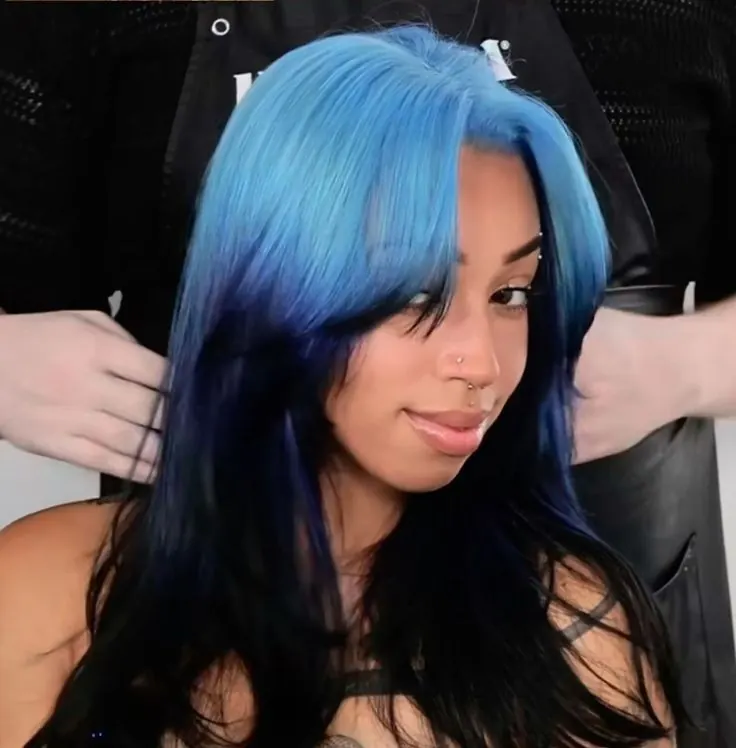
Aqua Blue Sleek Straight
Aqua-blue covers the upper lengths broadly before fading into sleek black hair. Because the pale blue occupies so much surface area, uneven washout will be obvious; cool rinses and a blue depositing conditioner can help keep the panel unified.

Ash Blonde Body Wave
The ash-blonde face frame depends on a cool toner and a clean boundary beside black waves. Yellowing will show first around the part and temples, while a targeted toner service can preserve the existing money-piece width.

Blue Body Wave
This broad navy-blue crown sits directly over glossy black waves, so loss of saturation will reduce the distinction rather than reveal a pale pastel. Refresh the crown only, keeping blue conditioner away from the untouched black lengths when possible.

Blue Straight
The blue here is already a subtle crown sheen rather than an opaque electric panel. Maintenance should protect that cool reflection with gentle washing; repeated heavy color masks could deepen it until the effect disappears into black.
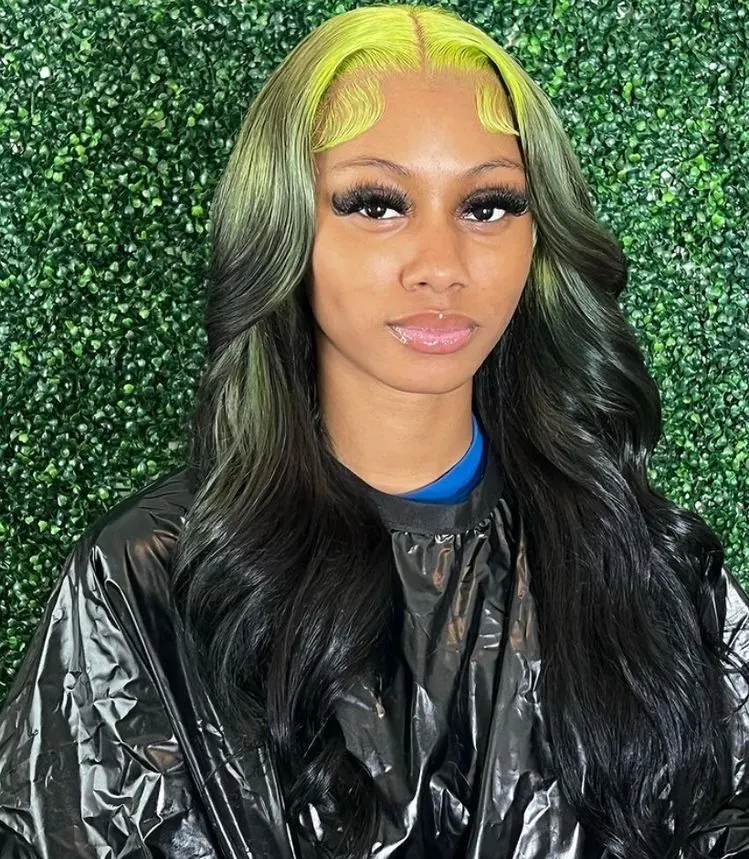
Chartreuse Lime Glam Wave
Chartreuse face pieces need to remain bright and yellow-green to hold their contrast against black waves. As the tone dulls, a carefully chosen lime refresher is safer than spreading pigment beyond the two original front sections.

Copper Red Wavy Shag
Copper-red is exposed across the micro fringe, an area washed, heat-styled, and trimmed frequently. Small fringe refreshes may be needed sooner than the crown, and each trim changes how much warm color remains at the front.

Crimson Red Curly
Crimson is distributed through individual curls across the top rather than laid as one smooth sheet. Apply any refresh product curl by curl through the colored zone so red does not stain the surrounding black ringlets.
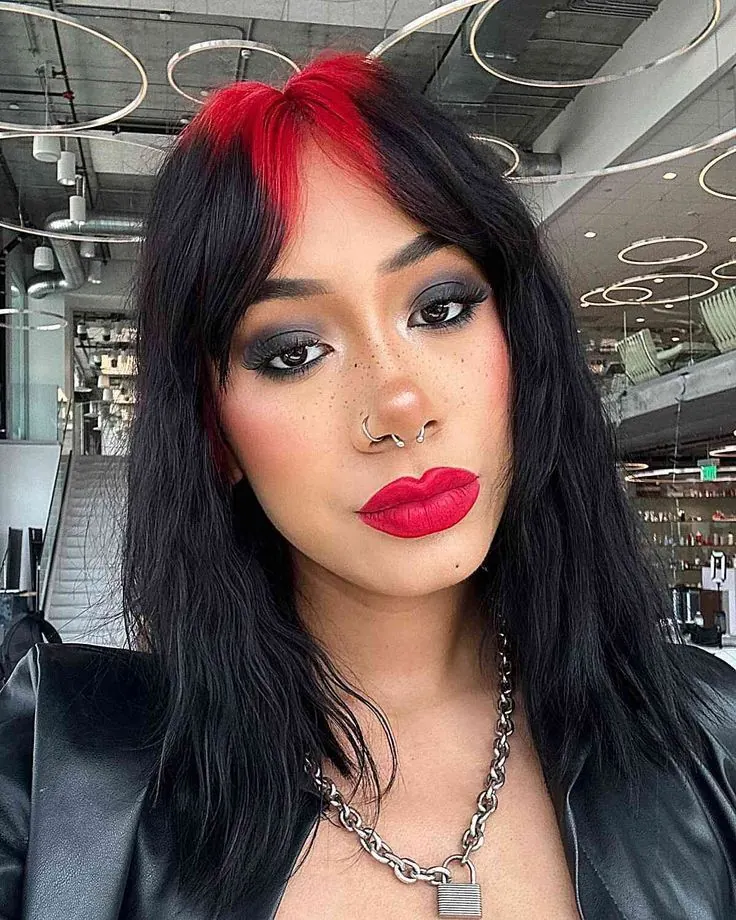
Crimson Red Sleek Straight
A sleek center stripe makes fading and new growth visible along one uninterrupted line. Reapply crimson within that narrow track and protect the black sides carefully, since even slight widening changes the graphic proportion.

Crimson Red Straight Bob
The two small buns expose more of this red crown than the bob shows when worn down. Check regrowth in both styles before booking a retouch, then preserve the split section rather than chasing every red tip.
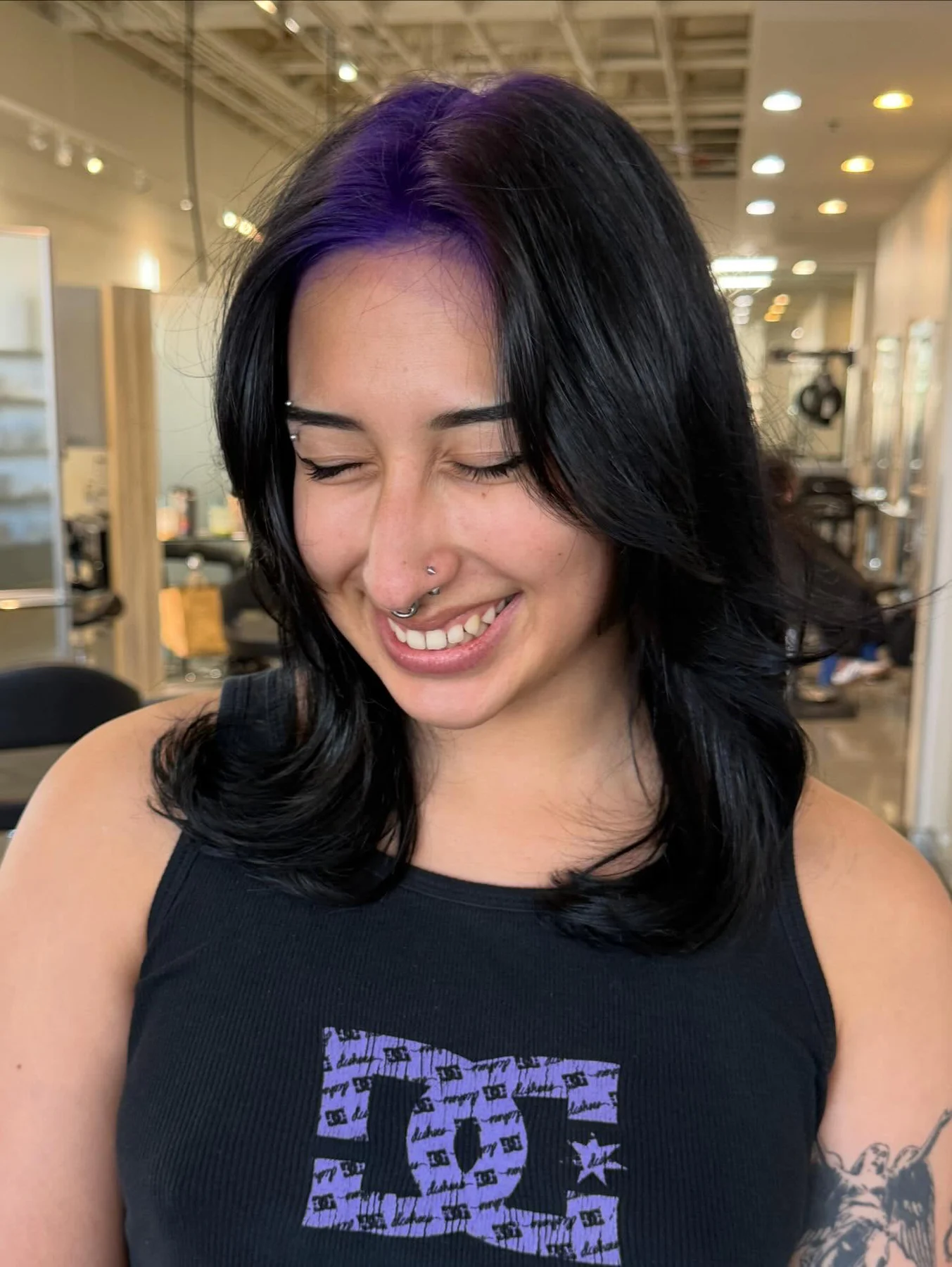
Narrow Deep-Violet Front Part Roots
Only a slim violet part interrupts this black layered blowout, so upkeep can remain highly localized. A fine application brush is more useful than an all-over mask here, which could tint the surrounding dark hair and blur the line.

Electric Blue Shag
Electric-blue is hidden behind the fringe and side layers of the short shag. The colored panels can be refreshed separately, but regular trims will remove their ends quickly and may require the placement to be rebalanced.

Silver White Layered Shag
The pale face-framing strands will reveal brassiness sooner than the deep brown shag around them. Alternate gentle cleansing with toner only when warmth appears; over-toning these fine pieces can make them look dull grey.

Forest Green Straight
Forest green is visible mainly when the top is tied up and through the short fringe. Evaluate fading with the hair lifted before adding pigment, then keep the refresher within the hidden panel and away from the black lengths.
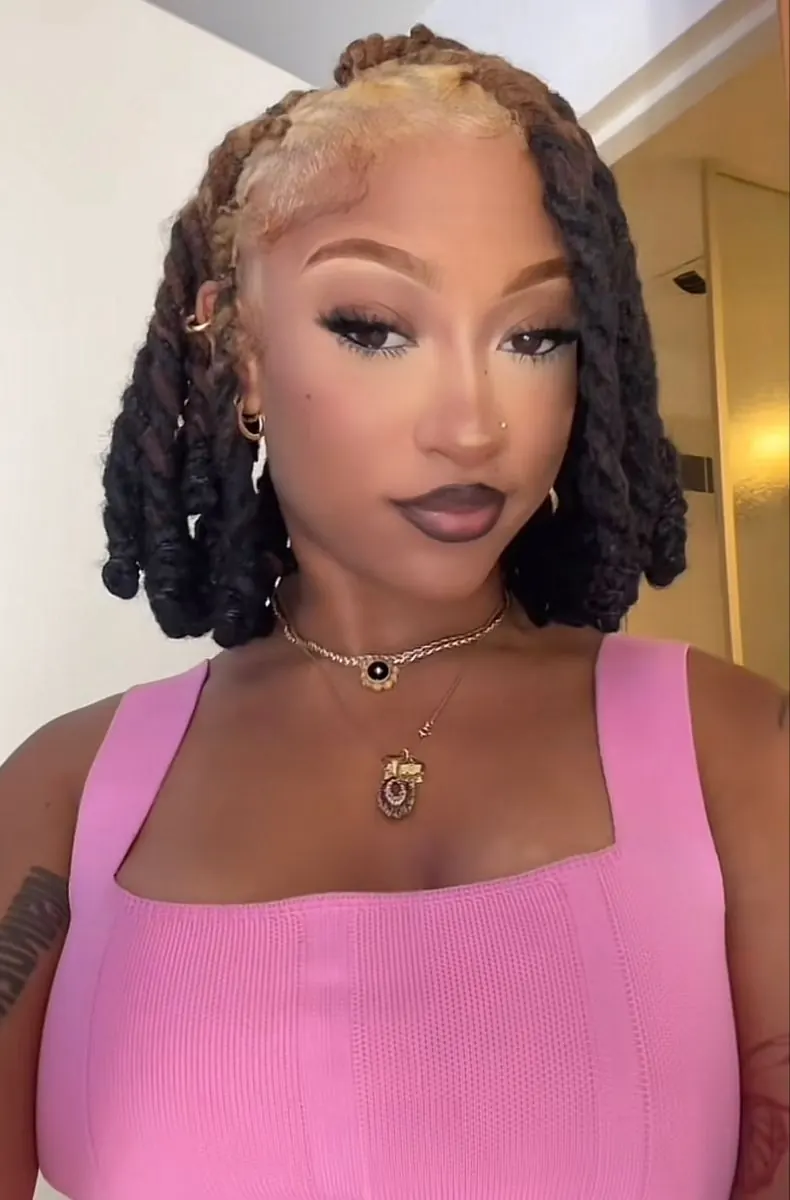
Honey Blonde Soft Locs
Honey-blonde sits in selected front locs, so maintenance must respect those individual sections. Clean the scalp carefully around the colored rows and retone only the blonde locs instead of treating the entire bob as lightened hair.
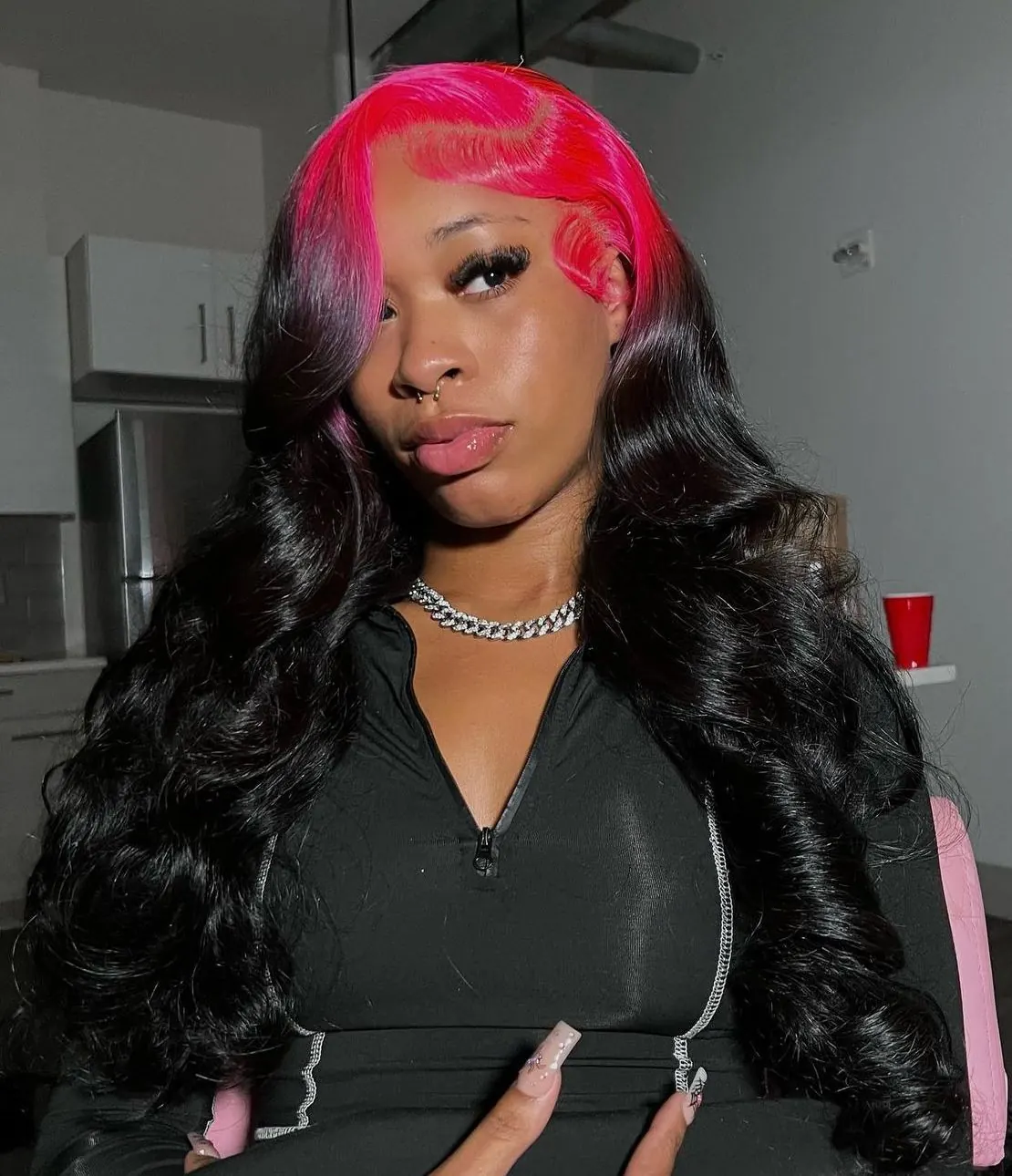
Hot Pink Body Wave
The broad hot-pink center panel will show both root growth and loss of saturation across a large smooth area. A sectioned pink refresh can restore intensity without pulling pigment into the long black waves.

Hot Pink Sleek Straight
This narrow hot-pink stripe has crisp black edges, which makes small application errors easy to see. Retouch the part with a fine brush and reserve depositing conditioner for the pink strand rather than the whole head.
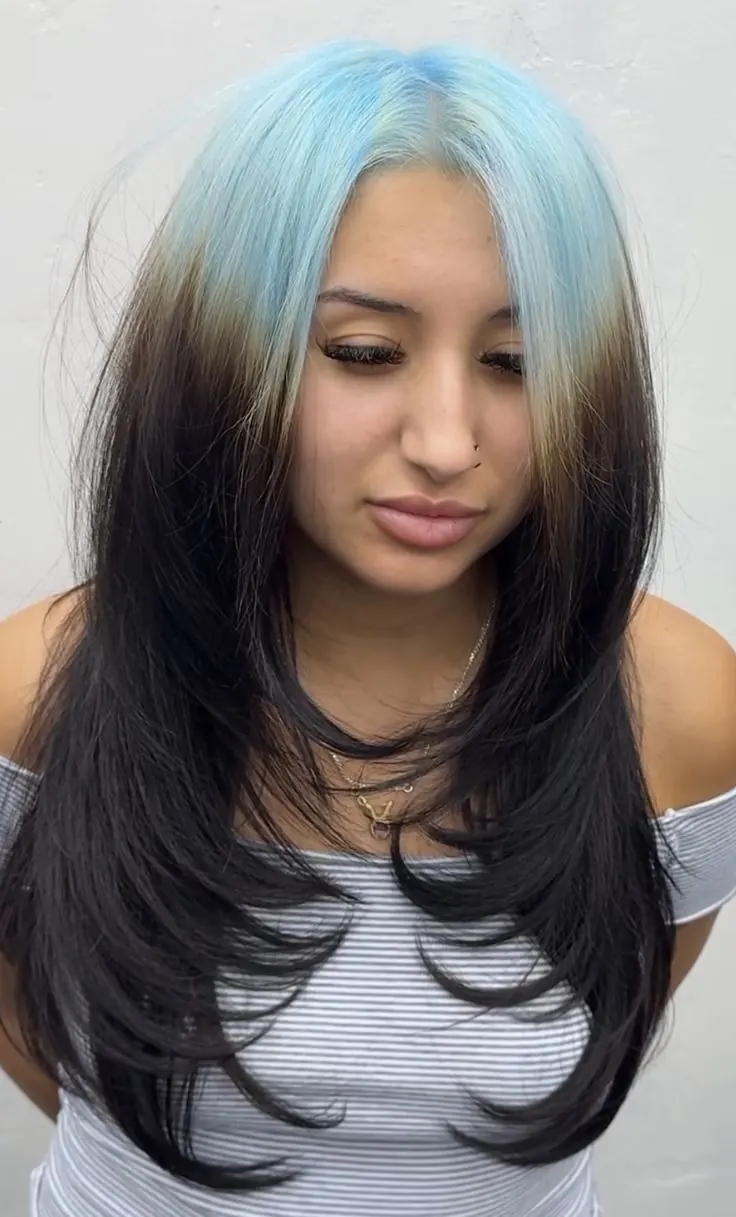
Ice Blue Layered Straight
Ice-blue face-framing layers rely on a very pale, cool finish and will show warmth quickly beside black hair. Use toner conservatively and focus heat protection on the front pieces, which receive the most styling.
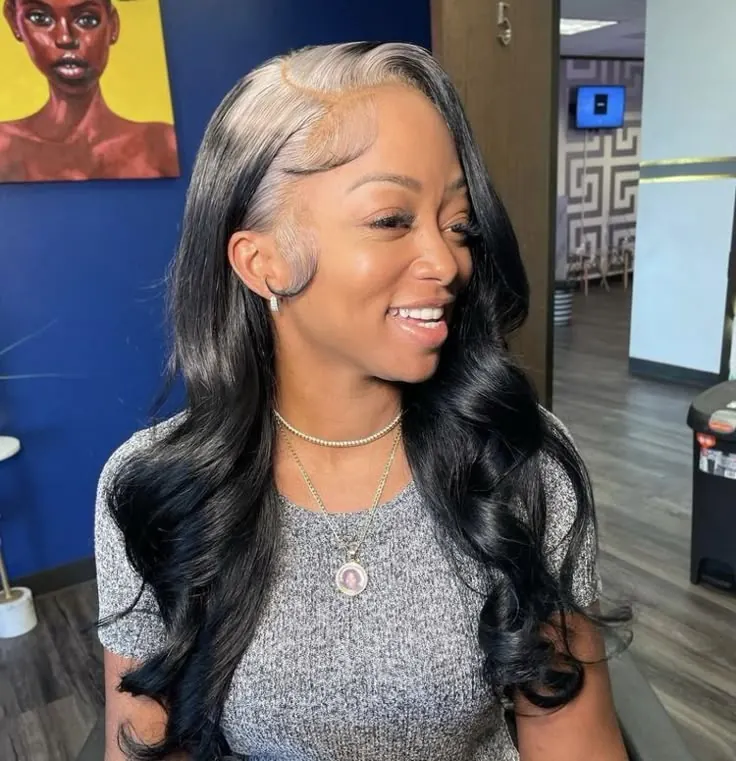
Silver White Body Wave
The silver-white money piece is partly concealed inside black body waves, but its temple edge remains exposed. Track brassiness in that visible section and avoid expanding the pale area during a root retouch.
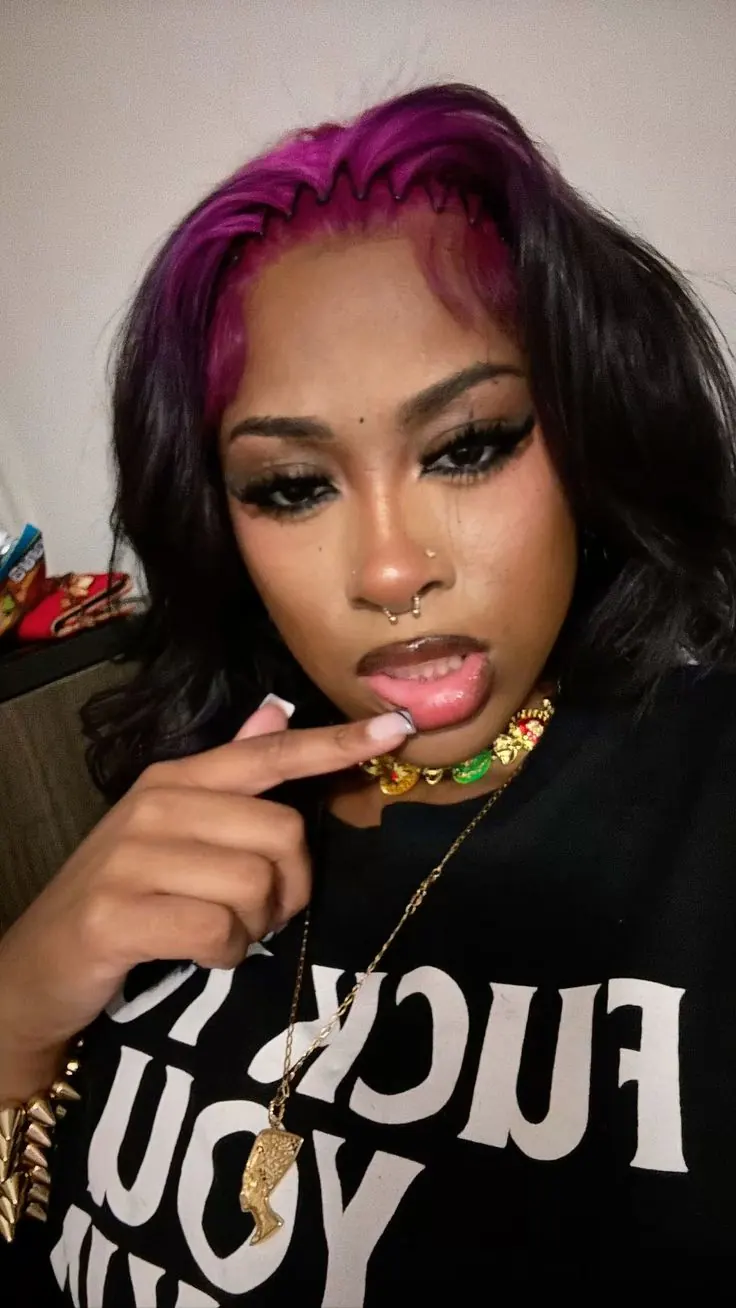
Magenta Purple Glam Wave
Magenta-purple spans a wide crown and can drift either pinker or duller as it fades. Choose a refresher that matches the desired red-violet balance, then apply it only through the existing top panel.
Match The Care Plan to What Created The Color
Use the images below as maintenance references, not just inspo. Each one shows a different upkeep problem: bright red fading warm, silver needing toner, vivid blue shifting dull, short hair needing trim timing, and softer blonde or grown-out placements needing gloss instead of constant bleach.
Fast-fade vivid color
Red Roots Need Pigment Before They Turn Orange
- Care move
- Wash cooler, avoid clarifying shampoo, and refresh the red while it still looks red instead of waiting until it fades coppery or brown.
- Useful product
- Red or burgundy color-depositing mask, color-safe shampoo, heat protectant.
- Refresh timing
- Check the shade after 2 to 3 washes; refresh small panels sooner than full-head color.
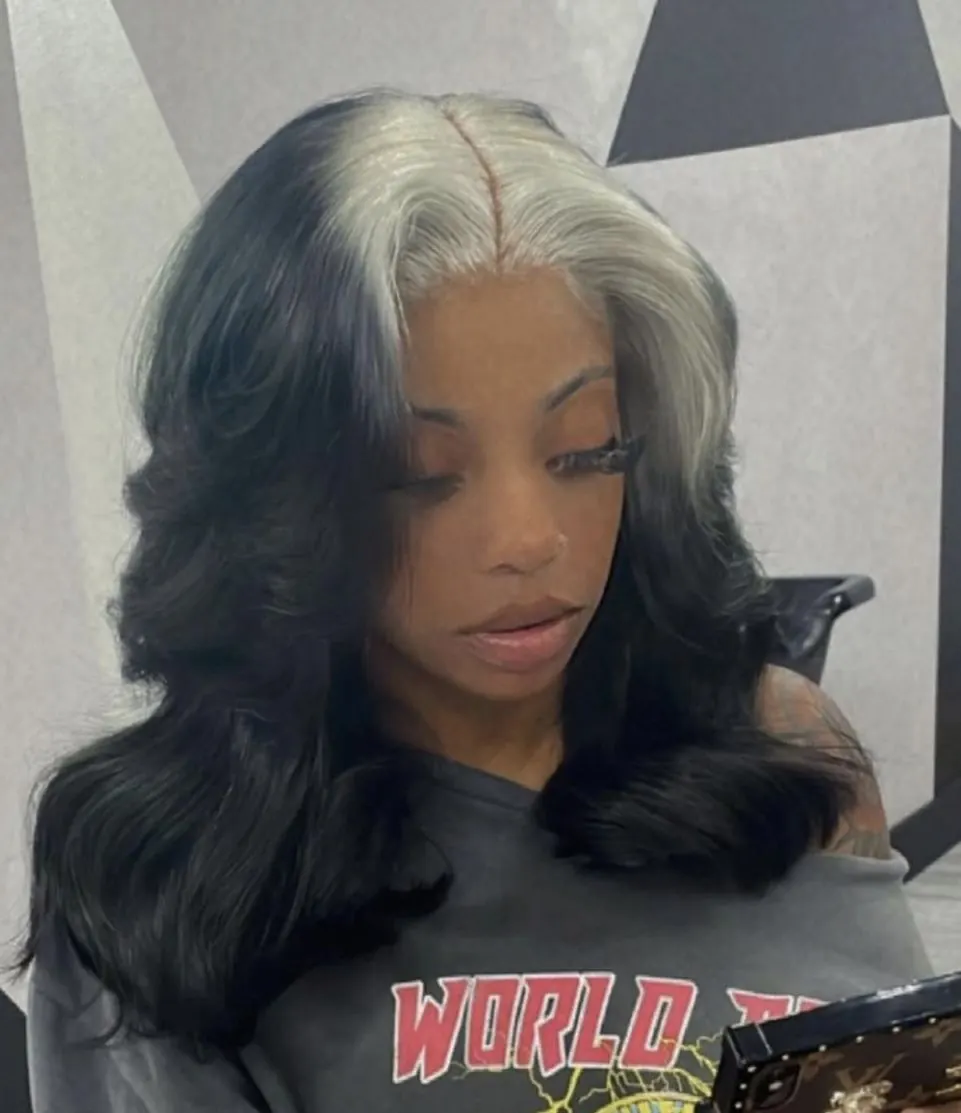
High-lift cool color
Silver and White Roots Need Toner Control
- Care move
- Keep the lightened pieces strong and clean. If the color turns yellow, beige, blue, violet, or dull, the fix is usually toner balance, not more bleach.
- Useful product
- Bond repair mask, purple shampoo used sparingly, silver toner or gloss from a stylist.
- Refresh timing
- Plan toner support around 4 to 6 weeks, sooner if the pieces are pale white or heat styled often.

Cool vivid shade
Blue Roots Need Gentle Washing Before They Shift
- Care move
- Blue can turn smoky, greenish, or flat when the base is warm or the shampoo is too harsh. Keep cleansing gentle and refresh with the same blue family.
- Useful product
- Blue depositing conditioner, sulfate-free color-safe wash, low-heat styling routine.
- Refresh timing
- Refresh when the blue loses clarity, usually before it looks green or grey at the root.
Shape-sensitive placement
Short Ghost Roots Need Cut and Color Together
- Care move
- On bobs, crops, and short shags, the color placement depends on the cut. If the fringe, part, or face frame is trimmed heavily, the strongest ghost-root section can disappear.
- Useful product
- Lightweight texture cream, heat protectant, shade-matched refresh mask.
- Refresh timing
- Book trims and color refreshes together when possible, often every 5 to 8 weeks for short shapes.
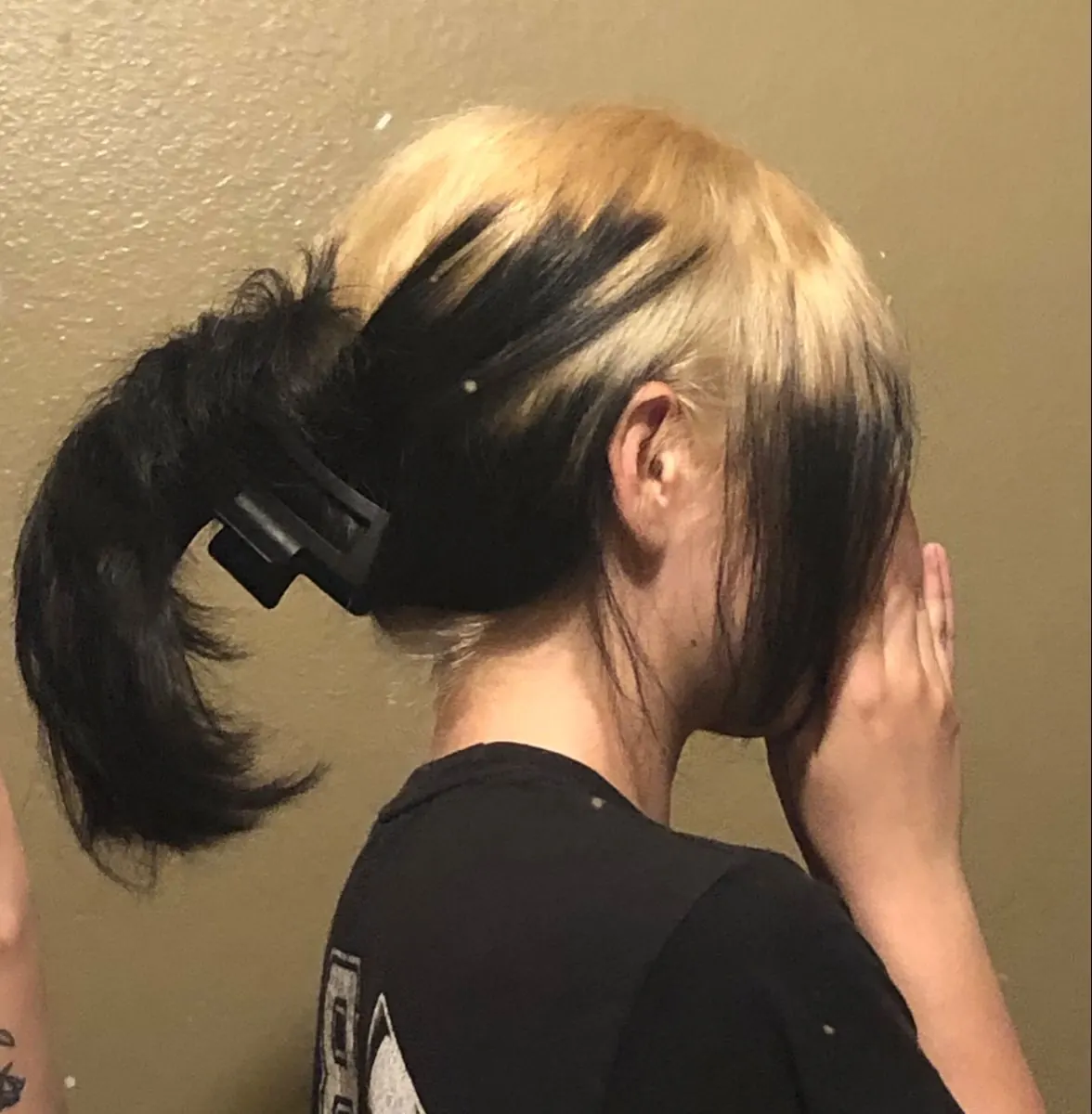
Soft grow-out
Grown-Out Blonde Roots Need Gloss, Not Panic
- Care move
- A softer blonde or taupe root can still look intentional as it grows if the tone stays glossy and the face frame still makes sense. Do not relighten just because the placement is moving down.
- Useful product
- Clear gloss, beige or blonde toner, color-safe shampoo, bond repair if the pieces were lightened.
- Refresh timing
- Gloss when the blonde looks dry or flat; relighten only when the placement no longer frames the cut.
How Long do Ghost Roots Last Before They Need Refreshing?
There is no single lifespan for ghost roots because two different clocks are running. The first is the color clock: how long the red still looks red, the blue still looks clean, or the silver still looks cool instead of yellow. The second is the placement clock: how long the colored section still sits close enough to the part, crown, fringe, or face frame to look like the design you chose.
Those clocks do not always expire together. A vivid panel may fade while its boundary is still perfectly shaped, so it only needs pigment. Blonde, silver, or white roots may stay bright enough but turn warmer, which points to toner or gloss rather than another full lightening service. In other cases the color remains clear, but new growth or a haircut moves the panel away from the feature it was meant to follow.
| What you notice | What it usually means | The next question to ask |
|---|---|---|
| The shade looks weak, muddy, brassy, or different from the original color, but the section still has a clean shape | The tone needs attention before the placement does | Would a matched depositing product, toner, or gloss restore it without more lightener? |
| A natural root band is changing the width or position of the design | Hair growth is changing the placement | Can the existing panel be refreshed without overlapping previously lightened hair? |
| Bangs, a crop, or short layers no longer expose the color in the same place | The haircut and color are no longer working together | Would a trim reveal the placement again, or should the color map be adjusted after the cut? |
| The color is still recognizable and the section still follows the part, crown, fringe, or face frame | The look is still doing its job | Can you continue the current routine and wait before booking another chemical service? |
Washing frequency, hot water, heat styling, and strong cleansing can shorten the color clock. Hair-growth rate, section width, and haircut shape affect the placement clock. Narrow fringe roots and short cuts tend to show small changes quickly because the entire design is visible from the front. Broader panels and longer styles may remain readable for longer, but they can still need a tone refresh before they need more lightener.
Before rebooking, identify the problem in plain language: faded pigment, unwanted warmth, visible new growth, or a haircut that has shifted the panel. That distinction helps a stylist decide whether you need color deposit, toner, lightener, a trim, or no service yet.
Protect The Root Boundary During The First Two Weeks
Follow the wash timing given by your stylist or color product, especially after a lightening or vivid-color service. If you are advised to delay the first shampoo, plan around it. Keep heavy scalp oils off the colored section, use heat protectant near the root panel, and avoid aggressive cleansing that can strip vivid pigment before the placement has settled into your routine.
After that, build the routine around your shade. Vivid red, pink, purple, blue, green, and teal usually need a matching depositing product because the pigment fades before the haircut does. Blonde, white, silver, and pastel shades need toner or gloss support because the lightened base can expose yellow warmth. Softer brown, beige, taupe, or grown-out placements usually need shine and shape more than constant recoloring.
Use a Refresh Product That Cannot Change The Shade Family
Red ghost roots need color-safe shampoo, cooler water, heat protection, and a red, burgundy, cherry, or copper depositing mask that matches the original shade. Blue, green, and teal roots need gentle washing and a refresh product that leans the same direction as the final color; using a random blue mask on teal or a green mask on mint can make the root zone muddy. Pink and purple roots are usually easier to refresh at home, but pastel versions need a cleaner base and can stain unevenly if too much pigment builds near the scalp.
Silver, white, platinum, icy blonde, and pastel ghost roots are the high-lift group. These need bond care, toner planning, heat protection, and careful use of purple shampoo. Purple shampoo is not a full toner and should not be used automatically every wash, because too much can make silver look flat, violet, blue, or dull. If the root area is yellow, patchy, or fragile, book toner or gloss instead of stacking more product at home.
Washing And Heat Change The Smallest Sections First
Wash less often, but do not let product buildup bury the placement. A visible root color can look dull if dry shampoo, wax, pomade, heavy oil, or edge product sits directly on top of it. Use lighter styling products near the colored root zone, then put heavier shine or smoothing product through the lengths where it will not cloud the color.
Heat is the quiet color killer. Blow-dryers, flat irons, curling irons, and hot brushes can make vivid roots fade faster and can make lightened roots feel rough. If the ghost roots sit around bangs or face-framing pieces, this matters even more because those pieces are styled often. Keep heat lower, use protectant, and refresh fringe or money-piece roots before the rest of the head if they fade first.
Refresh When Placement Stops Following The Cut
Refresh the tone when the color still has a clear target. Red should be refreshed before it turns orange or brown. Blue should be refreshed before it looks green, grey, or smoky. Green should be refreshed before neon turns dull yellow-green. Silver and white should be toned before the yellow warmth takes over the whole section.
Refresh the placement when the shape stops supporting the look. On short hair, this might happen after one or two trims. On long hair, it might happen when the money piece grows too far from the face or the center panel drops away from the part. On locs, curls, shags, and bangs, refresh timing depends on how the hair is worn day to day, because the best placement is the one people can actually see.
Separate a Tone Refresh From a Lightening Appointment
DIY refresh is reasonable when the section is already lightened, the scalp feels healthy, and you are depositing the same color family onto a small, controlled area. Use gloves, clips, a tint brush, old towels, and a shade-matched mask or semi-permanent dye. Keep the product on the existing colored section rather than dragging it through random lengths, because ghost roots need a clean shape to look intentional.
Salon refresh is better when the root area needs bleach, toner correction, banding repair, white or silver upkeep, pastel correction, or a major placement change. Bleach close to the scalp processes quickly and can overlap onto fragile lightened hair, so it is the part of the process worth paying for. If you are unsure whether the color needs dye, toner, gloss, or lightener, ask for a consultation before buying products.
A Practical Check Before You Wash, Tone, or Rebook
- Use color-safe shampoo and cooler water.
- Keep heavy oils, waxes, and dry shampoo away from the colored root zone.
- Use heat protectant before styling bangs, money pieces, or face-framing roots.
- Refresh vivid shades with a matching depositing product before they turn muddy.
- Use toner or gloss for blonde, silver, white, and pastel roots instead of guessing with random dye.
- Book trims and color together if the placement depends on a bob, shag, fringe, crop, or short curl shape.
Related Guides
For product planning, read ghost roots hair dye. For softer grow-out examples, compare grown-out ghost roots.
Ghost Roots Maintenance FAQ
How often do ghost roots need maintenance?
Soft brunette, beige, taupe, and grown-out versions can often go longer, while vivid red, blue, green, silver, white, pastel, bangs, and short-hair placements usually need attention sooner.
Can I maintain ghost roots at home?
Yes, if you are refreshing an already-lightened section with the same color family. At-home bleach, silver correction, white roots, pastel correction, and banding repairs are better handled by a stylist.
What products do ghost roots need?
Start with color-safe shampoo and heat protectant. Add a shade-matched depositing mask for vivid colors, toner or gloss for blonde and silver roots, and bond repair for lightened sections.
When should I refresh the placement?
Refresh the placement when the color no longer follows the part, fringe, crown, money piece, or haircut. Short hair, bangs, loc rows, and face-framing roots usually reveal placement changes first.
Maintenance should preserve the defining root placement, not simply keep color on the hair. Recheck the visual definition in what are ghost roots if the colored area has widened or moved, and use the cost guide to compare a targeted refresh with a larger corrective appointment.